

ครั้งแรกของโลกกับเนื้อสเต็กจากพืช…ที่มีลายเนื้อ
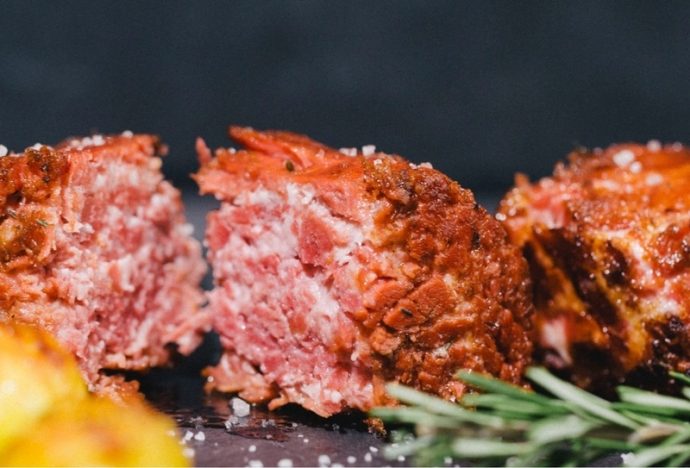
ความท้าทายของการผลิตเนื้อจากพืช คือ การใช้วิธีการและเทคโนโลยีต่างๆ เพื่อสร้างสรรค์ให้เนื้อจากพืชมีความใกล้เคียงกับเนื้อสัตว์มากที่สุด สิ่งสำคัญก็คือจะทำอย่างไรให้เส้นใยโปรตีนของเนื้อจากพืชสามารถเรียงตัวและมีไขมันแทรกไปตามเส้นใยได้ หรือเรียกว่ามี ‘ลายเนื้อ’ ซึ่งส่งผลต่อเนื้อสัมผัสและความชุ่มฉ่ำ ทางออกในปัจจุบันจะมุ่งเน้นไปที่การทดลองในห้องแล็บ หรือการเพิ่มศักยภาพของเทคโนโลยีการพิมพ์แบบ 3 มิติ แต่อาจจะมีคำตอบอื่นของความท้าทายนี้ที่รวดเร็วกว่า ซับซ้อนน้อยกว่า และข้อจำกัดน้อยกว่า
การค้นพบใหม่นี้อาจจะเป็นแสงสว่างที่ปลายอุโมงค์ จากความร่วมมือกลุ่มนักวิทยาศาสตร์หลากหลายแขนงในบริษัทสตาร์ทอัปแห่งหนึ่งที่ให้ความสนใจในประเด็นนี้ ได้คิดค้นเทคโนโลยีที่สามารถจัดเรียงเส้นใยโปรตีนจากถั่วเหลืองและข้าวสาลี พร้อมกับแทรกชั้นไขมันจากน้ำมันเมล็ดดอกทานตะวันชนิดไม่อิ่มตัวลงไปภายใน โดยจัดเรียงเส้นใยโปรตีนและแทรกชั้นไขมันจากส่วนล่างสู่ด้านบนของชิ้นเนื้อ จนเกิดเป็นลายเนื้อขึ้น ทำให้เนื้อจากพืชนี้มีรสสัมผัสใกล้เคียงกับเนื้อสัตว์จริง เมื่อเติมสีจากบีทรูทและแต่งกลิ่นที่มาจากธรรมชาติก็ยิ่งเพิ่มความใกล้เคียงกับเนื้อสัตว์มากยิ่งขึ้น
หนึ่งในกลุ่มนักวิทยาศาสตร์ Tilen Travnik กล่าวว่า การที่จะสามารถทำให้เนื้อจากพืชมีรสชาติใกล้เคียงกับเนื้อสัตว์จริงได้นั้น จำเป็นจะต้องผ่านกรรมวิธีการปรุงสุกให้เหมือนกันอีกด้วย นี่เป็นสาเหตุที่เนื้อจากพืชของบริษัทสตาร์ทอัป Juicy Marbles มาในรูปแบบเนื้อสดและไม่ผ่านการปรุงรส เพื่อให้ผู้บริโภคสามารถนำไปประกอบอาหารได้เหมือนเนื้อสัตว์จริง ก่อนกล่าวทิ้งท้ายว่า เราไม่อาจหวังให้กระแสการบริโภคเปลี่ยนมาเป็นเนื้อจากพืชได้โดยปราศจากความหลากหลายของผลิตภัณฑ์ ที่ไม่เพียงแต่สามารถประยุกต์ใช้กับวิธีการทำอาหารแบบดั้งเดิม แต่ยังสามารถปรับใช้ได้กับการบริโภคที่หลากหลายและสมดุล
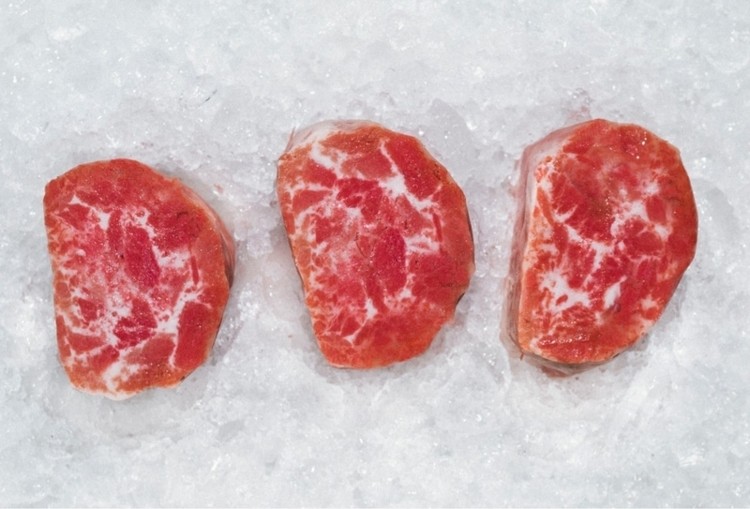
Mimicking the fibrous texture synonymous with whole cuts of meat presents significant challenges, so a plant-based steak alternative that is close to the real thing is considered a holy grail. Some players turn to scaffolding in laboratories to achieve a steak-like texture, while others leverage 3D printing technology which found them to be too complicated, too slow, or had too many behavioral barriers.
From various scientists in the start-up company that saw a gap in the plant-based market has enables to have full control over fibre alignment (texture), intramuscular fat structure (marbling) by aligning and layering fibres from the bottom up, flavours, aromas, and other key meat parameters. Furthermore, it achieves this with its main ingredients, soy and wheat protein, unsaturated sunflower seed oil, beetroot colouring, and natural flavours and aromas.
“Achieving a similar taste to conventional meat comes down to rigorous combination testing,” noted Travnik, adding that taste is also enhanced by the cooking method. Unlike most plant-based meat analogues, Juicy Marbles’ offering is raw and unseasoned, waiting for the chef’s unique touch.
“We can’t expect a global diet shift towards plant-based without a wide variety of plant meats that will not only enable the continuation of culinary traditions but also enable a well-balanced, wholesome diet.”
Source: https://www.fbtech.co.nz/2021/03/29/marbled-plant-based-steak-a-world-first/