

การทำให้ฉลากสารก่อโรคภูมิแพ้อาหารมีความเหมาะสมแก่ผู้บริโภคและผู้ผลิตอาหาร
By. Romer Labs
Email: salesasia@romerlabs.com
หน่วยงานกำกับดูแลในภูมิภาคเอเชียแปซิฟิกได้ออกมาตรการเพิ่มเติมให้ผู้ผลิตและผู้นำเข้าอาหารแสดงฉลากสารก่อภูมิแพ้ในผลิตภัณฑ์ของตนเองตามส่วนประกอบของสารก่อภูมิแพ้ที่มี ด้วยเหตุนี้จึงมีการแสดงฉลากที่ต่างกันในการแสดงฉลากข้อควรระวังสารก่อโรคภูมิแพ้ (Precautionary Allergen Labeling , PAL) อย่างไรก็ตามการแสดงฉลากข้อควรระวังสารก่อโรคภูมิแพ้ หรือ PAL นั้นอาจจะจำกัดตัวเลือกในการบริโภคอาหารสำหรับผู้ที่มีอาการแพ้อาหารมากจนเกินไป

นอกจากจะเป็นประโยชน์ให้แก่ผู้ผลิตและร้านค้าต่างๆ แล้ว ฉลากชนิดนี้ควรกลายเป็นอีกวิธีหนึ่งที่ได้รับความน่าเชื่อถือ ซึ่งจะช่วยให้ผู้ที่แพ้อาหารสามารถเลือกบริโภคอาหารที่ปลอดภัยกับตัวเองมากขึ้นได้
Jasmine Lacis-Lee แห่ง Allergen Bureau กล่าวว่า “สถานประกอบการจำนวนมากยังคงประสบปัญหา ว่าจะสามารถนำเอามาตรการนี้ไปปรับใช้อย่างไร โดยไม่ให้กระทบกับการดำเนินงานหรือข้อตกลงทางธุรกิจเดิมอีกด้วย”
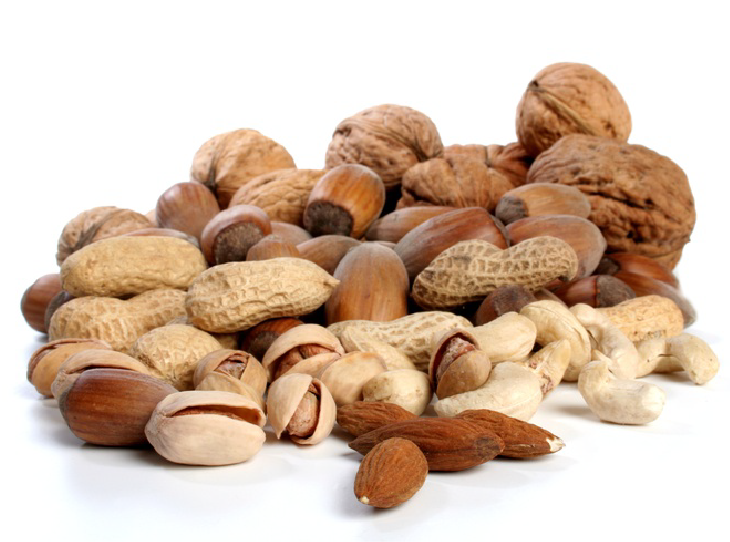
ไม่นานนี้ การแสดงฉลากข้อบ่งชี้เฉพาะของถั่วแต่ละชนิด ได้กลายเป็นสิ่งที่ต้องทำบนฉลากในประเทศออสเตรเลีย การทำเช่นนี้ส่งผลดีต่อประชากรที่มีภูมิแพ้ต่ออาหารประเภทถั่ว เนื่องจากการระบุ
สารก่อภูมิแพ้นั้นมีความเฉพาะเจาะจงมากขึ้นในแต่ละชนิดของสารก่อภูมิแพ้ โดยชุดทดสอบสารก่อภูมิแพ้ในอาหารจาก Romer Labs สามารถตรวจสอบเพื่อยืนยันประเภทของถั่วต่างๆ รวมถึงอาหารที่ก่อภูมิแพ้อื่นๆ ได้ จึงสามารถช่วยให้ผู้ผลิตในประเทศออสเตรเลียสามารถปฏิบัติตามมาตรการใหม่นี้ได้สะดวกมากขึ้น ซึ่งชุดทดสอบเร่งด่วนของ Romer Labs นี้มีความเหมาะสมสำหรับการทดสอบเชิงคุณภาพที่หน้างานหรือนอกสถานที่ ในขณะที่ชุดทดสอบ ELISA นั้น ให้ผลลัพธ์ในเชิงปริมาณสำหรับการตรวจสอบสารที่ก่อภูมิแพ้ในอาหาร ผู้ผลิตอาหารสามารถนำเอาชุดทดสอบดังกล่าวนี้ไปประยุกต์ร่วมกับระบบการจัดการ
สารก่อภูมิแพ้ที่มีอยู่เดิมแล้วได้และสามารถใช้ได้บ่อยครั้งอีกด้วย เพื่อที่จะสามารถมั่นใจได้ว่าผลิตภัณฑ์อาหาร เครื่องมือหรือแม้แต่ในสายการผลิตนั้นจะปราศจากสารก่อภูมิแพ้อย่างแน่นอน
สนใจข้อมูลเพิ่มเติมเกี่ยวกับการจัดการสารก่อภูมิแพ้ สามารถดาวน์โหลดนิตยสารของเรา
ได้ที่ลิงค์ด้านล่างนี้ ฟรี !
https://engage.romerlabs.com/th-th/apac/spotondld
Regulators in the Asia-Pacific region have also increasingly mandated that food manufacturers and importers label for mandatory allergens in their markets. As a result, different approaches to precautionary allergen labelling (PAL) have emerged. However, PAL can severely and unnecessarily limit the choices of food that are safe for consumption by an allergic consumer.
Rather than benefitting the manufacturers and retailers, PAL should become a trusted method that empowers allergic consumers to make safer food choices. Jasmine Lacis-Lee of the Allergen Bureau summarizes this dynamic by noting that, “many organisations still struggle with how to approach the implementation of allergen management while obtaining the business commitment required in their facilities.”
Recently, the declaration of individual tree nuts became mandatory in Australia. This benefits the allergic population in that the allergen identification is now specific. Food allergen test kits from Romer Labs offer validated solutions for testing individual tree nuts and other food allergens, helping food manufacturers to comply with this new rule in allergen declaration in Australia. Romer Labs rapid tests are suited for on-site qualitative testing, while ELISA test kits provide quantitative results for the detection of food allergens. Food manufacturers who integrate these tests into their allergen management systems and use them regularly can effectively ensure that food products, equipment and production lines are allergen-free.
Interested to know more about allergen management? Download our free magazine at https://engage.romerlabs.com/th-th/apac/spotondld