

พลาสติก PET ใช้แล้วกับการนำกลับมาบรรจุเครื่องดื่มที่ต้องการความพิถีพิถันในการบรรจุ
โครงการวิจัยร่วมของ Krones และ Alpla ให้ผลลัพธ์ที่น่าทึ่ง
พุ่งสวนกระแสตลาดบรรจุภัณฑ์เครื่องดื่ม ปัจจุบัน การนำบรรจุภัณฑ์ PET ใช้แล้ว กลับมาบรรจุใหม่นั้น ไม่เป็นที่นิยมมากนักในอุตสาหกรรมเครื่องดื่ม อย่างไรก็ดี ข้อมูลจากงานวิจัยจากโครงการวิจัยร่วมระหว่าง Krones และ Alpha กลับให้ผลที่น่าสนใจสวนทางกระแสความนิยม โดยในระยะแรกของโครงการ คณะทำงานได้ทำการประเมินปัจจัยทางวิทยาศาสตร์ต่างๆ ที่สำคัญ ทั้งด้านวัสดุบรรจุภัณฑ์และกระบวนการผลิตอย่างครบถ้วน ซึ่งจากการวิจัยนี้ ทำให้ Krones และ Alpla สามารถพัฒนาบรรจุภัณฑ์ PET ที่สามารถนำกลับมาหมุนเวียนหรือใช้งานใหม่ได้ และยังมีคุณสมบัติสามารถใช้กับเครื่องดื่มที่ต้องการความพิถีพิถันในการบรรจุ ซึ่งต้องผ่านกระบวนการยืดอายุการเก็บรักษา และยังต้องเก็บรักษาในสภาวะแวดล้อมที่เหมาะสม (ESL; Extended Shelf Life products) เช่น น้ำผลไม้ และนมที่ต้องมีการควบคุมอุณหภูมิความเย็นเพื่อรักษาคุณภาพ ได้อีกด้วย
อย่างไรก็ดี ประเด็นด้านความยั่งยืนกลายเป็นปัจจัยสำคัญในการเลือกบรรจุภัณฑ์ของผู้บริโภคมากขึ้น ไม่ว่าจะเป็นกฎระเบียบ เป้าหมายด้านสภาพภูมิอากาศ และความตระหนักด้านสิ่งแวดล้อม Martina Birk ผู้รับผิดชอบโครงการความยั่งยืนด้านสิ่งแวดล้อมที่ Krones กล่าวว่า “ประเภทของบรรจุภัณฑ์ที่สามารถทำงานได้ดีที่สุดจากมุมมองทางนิเวศวิทยานั้น ขึ้นอยู่กับปัจจัยหลายประการ โดยต้องได้รับการประเมินเป็นรายกรณีแล้วแต่การใช้งาน” อย่างไรก็ตาม บรรจุภัณฑ์ PET ที่นำกลับมาหมุนเวียนหรือใช้งานใหม่มักจะไม่ได้คำนึงถึงประเด็นนี้ตั้งแต่แรก แต่ Birk ก็ได้เน้นย้ำว่า “บรรจุภัณฑ์เหล่านั้นสามารถตอบโจทย์ต่างๆ ดังกล่าวได้อย่างดี โดยเฉพาะอย่างยิ่งกับผลิตภัณฑ์ที่มีการกระจายสินในภูมิภาคเป็นหลัก”
ตัวอย่างขวดบรรจุภัณฑ์และกระบวนการทำความสะอาด
ความร่วมมือกันของ Krones และ Alpha ในการพัฒนาบรรจุภัณฑ์จาก บรรจุภัณฑ์ PET ใช้แล้วสามารถประยุกต์ใช้ได้กับเครื่องดื่มหลากหลายประเภท Jörg Schwärzler ผู้เชี่ยวชาญด้านบรรจุภัณฑ์รีไซเคิล และหัวหน้าโครงการที่ Alpla กล่าวว่า “การใช้งานหลักของบรรจุภัณฑ์ที่นำกลับมาหมุนเวียน หรือใช้งานใหม่ที่ยังคงมีอยู่จนถึงปัจจุบัน คือ บรรจุภัณฑ์สำหรับเครื่องดื่มที่มีการอัดก๊าซคาร์บอนไดออกไซด์ (น้ำอัดลม) และน้ำดื่ม อย่างไรก็ตาม พวกเรามีความมั่นใจว่า หากรวมความเชี่ยวชาญในด้านวัสดุศาสตร์ การออกแบบพรีฟอร์มและการขึ้นรูป การออกแบบบรรจุภัณฑ์ และวิศวกรรมระบบ จะสามารถหาวิธีในการแก้ปัญหาผลิตภัณฑ์เครื่องดื่มที่มีความละเอียดอ่อน และต้องใช้ความพิถีพิถันในกระบวนการผลิต (Sensitive) เช่น น้ำผลไม้ และนมได้ โดยทางเลือกหนึ่ง คือการใช้ขวดบรรจุภัณฑ์ที่มีขนาดความกว้างของคอขวด 38 มิลลิเมตร ซึ่งจะช่วยสำหรับการบรรจุ ให้สามารถทำได้ด้วย บรรจุภัณฑ์ PET ที่นำกลับมาหมุนเวียนได้
Ines Bradshaw กล่าวว่า “นอกจากนี้ คู่ค้ายังให้ความสนใจกับกระบวนการทำความสะอาดบรรจุภัณฑ์เป็นพิเศษ เนื่องจาก ขวดพลาสติก PET ทนความร้อนได้น้อยกว่าขวดแก้ว ดังนั้น จึงต้องหาวิธีที่จะทำให้มั่นใจถึงความปลอดภัยทางจุลชีววิทยา และจำนวนรอบหรือความถี่ในการวนกลับมาใช้งานมากขึ้น เมื่อขวดจำเป็นต้องถูกทำความสะอาดที่อุณหภูมิต่ำอยู่บ่อย”
ทั้งนี้ เพื่อให้ได้มาซึ่งข้อมูลพื้นฐาน Krones ได้ดำเนินการทดสอบอย่างละเอียดถี่ถ้วนที่โรงงานสำหรับการพัฒนาเทคโนโลยีการล้างขวด ในเมือง Flensburg ผ่านการทดลองมากมาย และวิเคราะห์ขวดรูปแบบต่างๆ และกระบวนการทำความสะอาดหลากหลายรูปแบบ ซึ่ง Bradshaw กล่าวว่า “การทดสอบทำให้เห็นผลของปัจจัยด้านความร้อน สารเคมี และปัจจัยทางกลที่ชัดเจนมากขึ้น จากผลการวิจัย พบว่า การผสมผสานพารามิเตอร์อย่างเหมาะสม โดยเฉพาะอย่างยิ่งความเข้มข้นของสารละลายด่าง อุณหภูมิ สารเติมแต่ง และแรงทางกล โดยการใช้อุณหภูมิประมาณ 60 องศาเซลเซียสนั้น เพียงพอสำหรับการกำจัดโปรตีน ไขมัน และแป้งที่ปนเปื้อน ออกจากบรรจุภัณฑ์ได้อย่างมั่นใจ
เปรียบเทียบกับขวดแก้วรีไซเคิล
การเปรียบเทียบบรรจุภัณฑ์ PET กับขวดแก้วที่นำกลับมาใช้ใหม่ทำให้พบประเด็นที่น่าสนใจอีกอย่างหนึ่ง คือ ตลอดระยะเวลาในการทำความสะอาดหลายรอบ น้ำยาทำความสะอาดที่เป็นด่างส่งผลให้พื้นผิวของขวดแก้วเกิดความหยาบหรือขรุขระขึ้นอย่างเห็นได้ชัด ซึ่งไม่พบในบรรจุภัณฑ์ PET Bradshaw กล่าวว่า “คุณภาพที่มีมาตรฐานของบรรจุภัณฑ์ถือเป็นข้อได้เปรียบที่ไม่ควรมองข้ามในการบรรจุเครื่องดื่มที่ต้องการความพิถีพิถันในกระบวนการผลิต เช่น น้ำผลไม้ และนม
อย่างไรก็ดี ขณะนี้การทดสอบทางจุลชีววิทยาเพื่อระบุให้แน่ชัดว่าเทคโนโลยีที่ใช้มีความปลอดภัยหรือไม่ กำลังอยู่ในช่วงดำเนินการ โดยผลการทดลองเบื้องต้นเป็นไปตามข้อสังเกตที่วางไว้ ซึ่ง Bradshaw กล่าวว่า “ เราไม่สามารถแยกความแตกต่างในทางจุลชีววิทยาของขวด PET ที่ผ่านการล้างจำนวน 25 รอบ กับขวดใหม่ได้” โดยจากผลลัพธ์ดังกล่าว ทำให้โครงการนี้สำเร็จลุล่วงไปได้ และพร้อมต่อยอดสำหรับขั้นตอนต่อไป ซึ่งก็คือ การเตรียมการสำหรับการทดสอบทางเทคนิคที่ก็กำลังเดินหน้าไปได้ด้วยดี
พันธมิตรโครงการ
เป็นที่ทราบกันดีว่า Krones นั้นเป็นหนึ่งในผู้นำในอุตสาหกรรมอาหารและเครื่องดื่มระดับสากล ซึ่งขับเคลื่อนด้วยเทคโนโลยีขั้นสูง และไม่เคยหยุดพัฒนา อีกทั้งยังพร้อมสนับสนุนคู่ค้าในการสร้างมูลค่าให้แก่ผลิตภัณฑ์อย่างต่อเนื่อง ซึ่งการเป็นส่วนหนึ่งในโครงการวิจัยครั้งนี้ รวมถึงเป็นผู้สนับสนุนหลัก จึงมีเป้าหมายถัดไปในการพัฒนาเทคโนโลยีที่มีประสิทธิภาพด้านพลังงาน และเทคโนโลยีสารสนเทศ รวมถึงบรรจุภัณฑ์ที่เป็นมิตรต่อสิ่งแวดล้อมมากขึ้น
บรรจุภัณฑ์ PET ที่นำกลับมาใช้ใหม่ซึ่งผ่านการทดสอบแล้ว ซึ่งเหมาะสำหรับการบรรจุน้ำผลไม้ และผลิตภัณฑ์นมที่มีการควบคุมอุณหภูมิความเย็นเพื่อรักษาคุณภาพ
Rising out of the niche: In the beverage packaging market, returnable PET containers currently play a rather small role. Wrongly so, say the results of a joint research project of Krones and Alpla. In the project’s first phase, the material and process parameters underwent a comprehensive scientific evaluation. Based on these findings, Krones and Alpla developed a returnable PET container that provides an optimal environment for sensitive ESL (Extended Shelf Life) products such as juice and milk in the cold chain
Be it due to regulations, voluntary climate targets, or growing environmental awareness among consumers, sustainability issues are becoming an increasingly important factor in packaging choice. “Which type of packaging performs best from an ecological perspective depends on a number of factors and must be evaluated individually for each use case,” explains Martina Birk, who is responsible for the enviro sustainability programme at Krones. But returnable PET containers often don’t even enter into consideration in the first place. “And yet they can offer outstanding environmental performance, especially if they are distributed mainly regionally,” emphasises Birk.
Bottle samples and cleaning processes tested
Krones and Alpla teamed up to make these benefits available for use for a wide range of beverages. “Until now, the main applications for returnable PET containers have been carbonated soft drinks and water,” explains Jörg Schwärzler, returnables expert and project lead at Alpla. “But we were certain that, if we combined our expertise in materials science, preform design, container design, and systems engineering, we could find a solution for sensitive beverages like juices and dairy products. The option of using a 38-millimeter bottle neck offers particular advantages for sensitive returnable applications.”
The partners dedicated particular attention to the container cleaning process because “PET is less heat-resistant than glass,” explains developer Ines Bradshaw. “So we had to find a way to ensure both a high level of microbiological safety and a high number of use cycles while cleaning at lower temperatures.”
To obtain an objective and meaningful base of data, Krones’ development plant for washing technology in Flensburg carried out an elaborate series of tests, analysing the interaction of different bottle designs and cleaning processes. “The tests provided us with a very clear picture of the respective thermal, chemical, and mechanical factors,” says Bradshaw. “Among the findings: With the right combination of parameters – especially lye concentration, temperature, additive, and mechanical impact – temperatures around 60 °C are sufficient to reliably remove even dried protein, fat, and starch contamination from the containers.”
Direct comparison with returnable glass
A direct comparison of returnable PET and returnable glass brought to light another interesting discovery: Over the course of several cleaning cycles, the alkaline cleaning medium visibly roughened the surface of the glass bottle, whereas nothing comparable could be observed with the PET containers. “For the filling of sensitive beverages in particular, consistent container quality can be an advantage that should not be underestimated,” notes Ines Bradshaw.
Microbiological tests are currently being conducted to definitively establish whether the technology is safe. Initial results confirm the observations made thus far: “Microbiologically, PET bottles that had gone through 25 cycles could not be distinguished from new ones,” says a very pleased Ines Bradshaw. With this proof of concept, the project has reached an important milestone and is now ready for the next major step: Preparations are already well underway for the technical field test.
The project partners
Krones supplies customers in the international beverage and food industry with everything they need for their value creation. With its enviro sustainability programme, the group is driving the development of more energy- and media-efficient technologies and more environmentally friendly packaging.
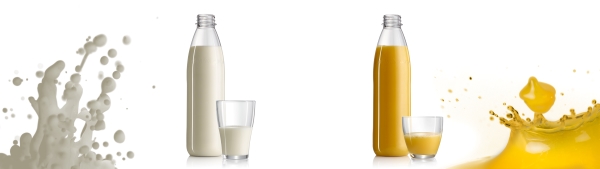
Returnable PET containers passed the test, showing that they are suitable for juices and dairy products in the cold chain.