

การปรับตัวของธุรกิจขนมขบเคี้ยว ท่ามกลางการแข่งขันที่สูงและกำลังซื้อผู้บริโภคที่จำกัด
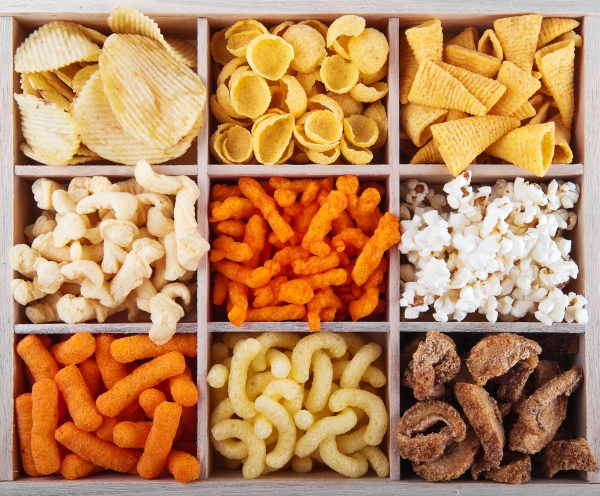
อัตราการเติบโตของธุรกิจขนมขบเคี้ยวปี 2564 จะมีมูลค่าตลาดราว 37,500 ล้านบาท หดตัว 4.0% เมื่อเทียบกับปีก่อนที่ขยายตัวราว 2.6% เนื่องจากสถานการณ์โควิค-19 ในประเทศที่ยังยืดเยื้อและต้องใช้เวลากว่าจะคลี่คลาย ทำให้ผู้บริโภคต้องประหยัดและใช้จ่ายอย่างระวัง และด้วยสินค้ากลุ่มขนมขบเคี้ยวมีความจำเป็นต่อการบริโภคน้อยกว่ากลุ่มอาหารหลักอื่นๆ ทำให้การบริโภคเติบโตอย่างจำกัด ประกอบกับต้นทุนวัตถุดิบที่เป็นองค์ประกอบสำคัญ โดยเฉพาะธัญพืช น้ำมันพืช และน้ำตาล ซึ่งคิดเป็นสัดส่วนเฉลี่ยราว 20-30% ของต้นทุนการผลิตทั้งหมด มีแนวโน้มยืนตัวในระดับสูงในช่วงครึ่งหลังปี 2564 ซึ่งการปรับขึ้นของราคาวัตถุดิบนี้ ยากที่ผู้ประกอบการจะผลักภาระค่าใช้จ่ายที่เพิ่มขึ้นไปสู่ผู้บริโภคได้ เพราะจะส่งผลโดยตรงต่อความสามารถด้านการแข่งขัน ดังนั้น ภาคธุรกิจจึงจำเป็นต้องแบกรับภาระต้นทุนดังกล่าวไว้ และหันมาบริหารจัดการต้นทุนการผลิตทดแทน
ท่ามกลางการแข่งขันที่สูงและกำลังซื้อผู้บริโภคที่มีจำกัด กลยุทธ์ด้านการตลาดโดยเฉพาะราคายังมีความจำเป็น ในขณะเดียวกัน การที่ผู้บริโภคหันมาเลือกรับประทานอาหารที่ดีต่อสุขภาพมากขึ้น และความผันผวนของวัตถุดิบที่กระทบต่อต้นทุนการผลิต จะเป็นโจทย์สำคัญต่อการบริหารต้นทุนของผู้ประกอบการ ทั้งในช่วงที่ราคาวัตถุดิบผันผวน เช่น การวางแผนใช้วัตถุดิบให้เกิดประสิทธิภาพสูงสุด โดยเน้นกลุ่มที่ยังพอทำตลาดได้ในช่วงวิกฤต ปรับขนาดสินค้าลงเพื่อตรึงราคาไว้ หรือการปรับลดกำไรของธุรกิจ เพื่อคงไว้ซึ่งความสามารถด้านการแข่งขัน ตลอดจนคิดค้นผลิตภัณฑ์ใหม่ๆ เพื่อสอดรับกับเทรนด์การบริโภคที่หันมาใส่ใจกับสุขภาพมากขึ้น อาทิ เลือกใช้วัตถุดิบที่ให้คุณค่าทางโภชนาการ และปรับลดสัดส่วนวัตถุดิบที่ไม่ก่อให้เกิดประโยชน์กับร่างกาย
The prolonged COVID-19 pandemic, which recently prompted the government to reimpose lockdowns and curfews in high-risk zones, has caused consumers to embrace frugality or thrift. As snacks are generally perceived as non-essential products, their consumption rate is set to grow at a meager pace. In 2021, growth in the snack business will likely be pressured by the projected increases in raw material costs during 2H21, which amount to a sizable share of the total processing costs, especially cereals, vegetable oils, and sugar. Therefore, expect that turnover in the snack market will reach only THB37.5 billion in 2021, representing a contraction of 4.0 percent YoY, against the 2.6 percent growth reported for 2020, because snack consumption in key target segments is projected to decline due to their weak purchasing power. Moreover, snack processors may find it more difficult to pass on the rising costs to consumers as it will directly affect their competitiveness. This means that they must shoulder the costs or focus on cost reductions.
Amid intense competition and limited consumer purchasing power, marketing strategies, particularly pricing tactics, are still necessary in helping stimulate sales. A shift towards health and wellness food trends, as well as volatile raw material prices will present key challenges for snack processors in terms of cost management, for example how to maximize the use of raw materials. To cope with such challenges, they may need to focus on snack products that are still marketable during the COVID-19 crisis, reduce package sizes in order to maintain product prices or cut profit margins to sustain their competitiveness. Snack processors may also need to invent new products that are in line with health-conscious trends, for instance snacks that contain more nutritious ingredients instead of those that are detrimental to health (such as sugar, sodium or carbohydrates/fats) for consumers who want to cut calories.
แหล่งที่มา: ศูนย์วิจัยกสิกรไทย
https://www.kasikornresearch.com/th/analysis/k-econ/business/Pages/snack-z3242.aspx