


แนวทางเพิ่มมูลค่าอาหารฮาลาลสู่การเป็นผู้นำในตลาดอาเซียน
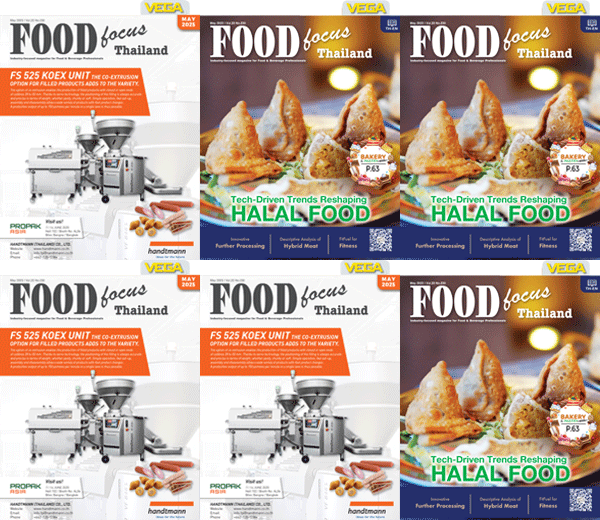

แม้การบริโภคอาหารจะมีจุดมุ่งหมายหลักเพื่อความอิ่มท้อง แต่อาหารที่มีคุณภาพดี ปลอดภัย และถูกหลักโภชนาการ อีกทั้งยังสามารถตรวจสอบถึงแหล่งที่มาของวัตถุดิบได้ กำลังเป็นที่ต้องการของผู้บริโภคมากขึ้น ซึ่งปัจจัยเหล่านี้ยังเป็นกลไกสำคัญที่ช่วยเพิ่มมูลค่าให้กับผลิตภัณฑ์อาหารได้อีกทางหนึ่งด้วย โดยผลิตภัณฑ์อาหารฮาลาลสามารถตอบสนองความต้องการดังกล่าวได้อย่างมีประสิทธิภาพ จากเดิมอาหารฮาลาลมักถูกมองว่าเป็นสินค้าสำหรับตลาดเฉพาะกลุ่ม (Niche Market) แต่ปัจจุบันสามารถขยายเข้าสู่ตลาดผู้บริโภคทั่วไป (Mass Market) ได้อย่างเต็มรูปแบบ โดยมีการคาดการณ์ว่า ภายในปี พ.ศ. 2570 มูลค่าตลาดอาหารฮาลาลทั่วโลกจะเพิ่มขึ้นเป็นประมาณ 1,887 พันล้านเหรียญดอลลาร์สหรัฐฯ จากมูลค่าประมาณ 1,403 พันล้านเหรียญดอลลาร์เหรียญสหรัฐฯ ในปี พ.ศ. 2565 ซึ่งการเติบโตดังกล่าวนี้สะท้อนให้เห็นถึงความสามารถของอาหารฮาลาลในการตอบสนองต่อความต้องการพื้นฐานของผู้บริโภคได้อย่างดีเยี่ยม โดบรัฐบาลมีความมุ่งมั่นในการพัฒนาอุตสาหกรรมอาหารฮาลาล เพื่อผลักดันให้ประเทศไทยก้าวขึ้นเป็นศูนย์กลางฮาลาลของอาเซียน (ASEAN Halal Hub) ภายในปี พ.ศ. 2570 โดยได้จัดตั้งคณะกรรมการอุตสาหกรรมฮาลาลแห่งชาติ (National Halal Industry Committee; NHIC) เพื่อดำเนินการจัดทำแผนปฏิบัติการระยะ 5 ปี (พ.ศ. 2567–2571) โดยมีเป้าหมายในการยกระดับประเทศไทยให้เป็นศูนย์กลางฮาลาลของภูมิภาคอย่างเป็นรูปธรรมภายในปี พ.ศ. 2571
ผลิตภัณฑ์อาหารฮาลาลที่สร้างรายได้ให้กับประเทศไทยมีหลายประเภท เช่น ข้าวและผลิตภัณฑ์จากข้าว เนื้อสัตว์และผลิตภัณฑ์เนื้อ ผลิตภัณฑ์นม อาหารทะเล ขนมขบเคี้ยว เครื่องดื่ม ซอสและเครื่องปรุงรส รวมถึงผลิตภัณฑ์ออร์แกนิก ซึ่งอาหารเหล่านี้มีการแปรรูปหลากหลายรูปแบบ เช่น อาหารแปรรูปขั้นต่ำ (Minimally Processed Food) อาหารพร้อมปรุง อาหารพร้อมรับประทาน รวมถึงอาหารแช่เย็นและแช่แข็ง เป็นต้น โดยปัจจุบันสถาบันการศึกษามีเครื่องมือและเทคโนโลยีการผลิตอาหารแปรรูปในระดับเชิงพาณิชย์ ที่สามารถสนับสนุนผู้ประกอบการให้พัฒนาผลิตภัณฑ์ได้อย่างมีประสิทธิภาพมากขึ้น พร้อมยกระดับกระบวนการแปรรูปให้ทันสมัยและตอบโจทย์ความต้องการของตลาด อีกทั้งยังสามารถนำมาประยุกต์ใช้ในกระบวนการผลิตอาหารฮาลาลและมีนวัตกรรมที่ช่วยรักษาคุณค่าของสารอาหารและเพิ่มมูลค่าผลิตภัณฑ์ได้อีกด้วย ซึ่งสอดคล้องกับเทรนด์อาหารแห่งอนาคต อาทิ กลุ่มอาหารฟังก์ชัน (Functional Food) และกลุ่มอาหารใหม่ (Novel Food) ที่อาจมาจากแหล่งวัตถุดิบใหม่ซึ่งไม่ขัดต่อหลักของศาสนาอิสลาม หรือมีวิธีการแปรรูปด้วยเทคโนโลยีสมัยใหม่ที่ไม่เคยมีการผลิตมาก่อน ส่งผลให้อาหารมีรสชาติที่ดีคล้ายคลึงกับอาหารที่ปรุงสดใหม่ๆ สามารถเก็บรักษาได้นาน และมีคุณค่าทางโภชนาการสูง โดยตัวอย่างเทคโนโลยีการผลิตอาหารที่น่าสนใจ ไม่ว่าจะเป็น เทคโนโลยีพลาสมาเย็น การสกัดสารให้กลิ่นรสด้วยคลื่นไมโครเวฟและคลื่นอัลตราโซนิก รวมถึงนวัตกรรมสำหรับการผลิตอาหารใหม่ เช่น กระบวนการเอ็กซ์ทรูชัน (Extrusion) เทคนิคเอนแคปซูเลชัน (Encapsulation) เพาะเลี้ยงเนื้อเยื่อ (Tissue culture) และการใช้ความดันสูง (High Pressure Processing; HPP)
By:
Assoc.Prof. Mutita Meenune, Ph.D.
Assistant Dean for Special Affairs
Faculty of Agro-Industry
Prince of Songkla University
mutita.m@psu.ac.th
Although the primary purpose of food consumption is to satisfy hunger, high-quality food that is safe, nutritious, and traceable in terms of raw material sources is increasingly in demand among consumers. These factors also help to add value to food products. One effective way to meet these demands is through halal food products. Originally considered niche market items, halal products have now successfully expanded into the mass market. It is projected that by the year 2027, the global halal food market value will increase to approximately USD 1,887 billion, up from around USD 1,403 billion in the year 2022. This growth reflects the strong capability of halal food to meet consumers’ basic needs effectively. The Thai government is committed to developing the halal food industry with the aim of establishing Thailand as the ASEAN Halal Hub by 2027. The National Halal Industry Committee (NHIC) has been established to implement a five-year action plan (2024–2028), with the goal of concretely positioning Thailand as the regional halal hub by 2028.
Thailand generates revenue from various types of halal food products, such as rice and rice-based products, meat and meat products, dairy products, seafood, snacks, beverages, sauces and seasonings, as well as organic products. These foods are processed in a variety of ways, including minimally processed food, ready-to-cook meals, ready-to-eat meals, and chilled or frozen foods. Currently, the education sector is equipped with commercial-scale food processing machines and modern technologies that support producers. These resources can be effectively applied in halal food production. Innovations also play a crucial role in preserving nutritional value and enhancing product appeal, aligning with future food trends such as functional and novel foods. These may be derived from new raw material sources that comply with Islamic principles or involve modern processing techniques that have not been used before. As a result, such foods offer flavors comparable to freshly cooked meals, extended shelf life, and high nutritional value. Key technologies of interest include cold plasma technology, flavor extraction using microwave and ultrasonic waves, as well as innovations for novel food production such as extrusion processes, encapsulation techniques, tissue culture, and high-pressure processing (HPP).