


ถอดรหัส “BCG Model” สู่การสร้างนวัตกรรม เพื่อเพิ่มขีดความสามารถในการแข่งขัน
Interviewed by:Editorial Team
Food Focus Thailand Magazine
editor@foodfocusthailand.com
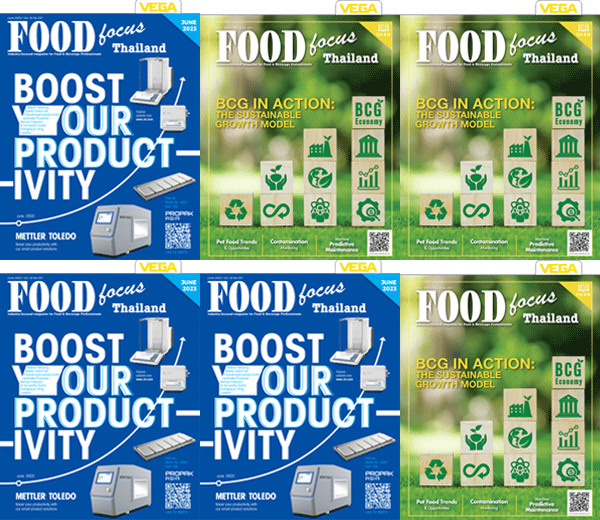

“นวัตกรรมที่ประสบความสำเร็จต้องอาศัย “ความรู้” และ “ความคิดสร้างสรรค์” เป็นองค์ประกอบในการขับเคลื่อน” คำกล่าวของ ดร. ชัยธร ลิมาภรณ์วณิชย์ ผู้อำนวยการฝ่ายยุทธศาสตร์นวัตกรรม สำนักงานนวัตกรรมแห่งชาติ (องค์การมหาชน) หรือ National Innovation Agency (NIA) กล่าวว่า โมเดลเศรษฐกิจ BCG เป็นโมเดลที่รัฐบาลให้การผลักดันและสนับสนุนผ่านหลายโครงการ โดยเฉพาะกระทรวงการอุดมศึกษา วิทยาศาสตร์ วิจัยและนวัตกรรม (อว.) ที่เร่งขับเคลื่อนนโยบายเศรษฐกิจ BCG และอยู่ในแผนพัฒนาเศรษฐกิจและสังคมแห่งชาติ ฉบับที่ 13 (พ.ศ. 2566-2570) อีกด้วย
สำนักงานนวัตกรรมแห่งชาติ (NIA) มีเป้าหมายในการผลักดันและขับเคลื่อนโมเดลเศรษฐกิจ BCG พร้อมกับให้ทุนสนับสนุนผู้ประกอบการที่เข้าร่วมโครงการนวัตกรรมสอดรับกับแนวคิด BCG Model ด้วยงบประมาณส่งเสริมการสร้างธุรกิจนวัตกรรมกว่าปีละ 500 ล้านบาท นอกจากนี้ ยังให้คำแนะนำหาคู่ค้าทางธุรกิจในหลายกลุ่มอุตสาหกรรม สำหรับอุตสาหกรรมอาหารและเครื่องดื่มที่นำหลักการโมเดลเศรษฐกิจ BCG มาปรับใช้นั้น อาจจะเริ่มนำจากการนำหลักการบางส่วนมาใช้ก่อน จึงขอยกตัวอย่างการนำแผน BCG Model มาประยุกต์ใช้ในอุตสาหกรรมอาหาร ดังนี้
เศรษฐกิจชีวภาพ (Bio Economy; B) ประเทศไทยมีความหลากหลายทางชีวภาพสูงมาก มีวัตถุดิบทางการเกษตรมากมาย สามารถพัฒนาต่อยอดจากพื้นฐานความพร้อมของผู้ประกอบการไทยเพื่อสร้างมูลค่าเพิ่มให้กับวัตถุดิบทางการเกษตรได้อย่างยั่งยืน โดยเฉพาะในกลุ่มอาหารเพื่อสุขภาพ หรือการพัฒนาเป็นสารสำคัญที่มีมูลค่าสูง (Active Ingredient) ซึ่งเป็นผลิตภัณฑ์ที่มีการเติบโตเป็นอย่างมาก
เศรษฐกิจหมุนเวียน (Circular Economy; C) เป็นระบบเศรษฐกิจที่เน้นการนำทรัพยากรกลับมาใช้ใหม่ให้เกิดประโยชน์สูงสุดซึ่งต้องอาศัยหลักความรู้ทางวิทยาศาสตร์ เช่น การนำของเหลือจากอุตสาหกรรมอาหารมาใช้เป็นวัตถุดิบในอุตสาหกรรมปศุสัตว์ หรือแอปพลิเคชันลด Food Waste อย่าง Food Bank (ธนาคารอาหารออนไลน์) ที่มีการชักชวนธุรกิจอาหารและบุคคลทั่วไป ร่วมส่งต่ออาหารส่วนเกินที่ยังบริโภคได้ให้กับผู้คน โรงเรียนและชุมชนที่ขาดแคลนอาหาร
เศรษฐกิจสีเขียว (Green Economy; G) มุ่งเน้นการผลิตที่ลดผลกระทบต่อสิ่งแวดล้อมและมีความรับผิดชอบต่อสังคม เช่น การใช้เทคโนโลยีสะอาด ไม่ก่อให้เกิดมลพิษทางอากาศหรือทางน้ำ และการทำการเกษตรแบบยั่งยืน เป็นต้น หรือ ปัญหาด้านการขนส่งอาหารที่ทำให้เกิดการสูญเสียพลังงานทั้งเชื้อเพลิงและเวลา การสร้างนโยบายการปลูกและบริโภคในพื้นที่ ก็สามารถลดการใช้พลังงานได้เช่นเดียวกัน
“A successful innovation must be driven by “knowledge” and “creativity”, stated Dr. Chaiyatorn Limapornvanich, Director of Innovation Strategy Department, National Innovation Agency (Public Organization) or NIA. According to his statement, the BCG economy model is supported by the Thai government through several projects, including the efforts of the Ministry of Higher Education, Science, Research and Innovation (MHESI) to create BCG economy policies. The BCG agenda is also included in the National Economic and Social Development Plan No.13 (AD 2023-2027).
The NIA’s objective is to promote the BCG economy model and provide funds for businesses taking part in innovation-developing projects under BCG concepts. This is made possible through the financial subsidization of more than THB 500 million intended for the creation of innovations. In addition, business partnering consultation services are also available for many industrial sectors. In the food and beverage industry, some aspects of the BCG model may be partially applied in early stages, some examples of which are as follows:
Bio Economy (B) draws on Thailand’s vast abundance of biological diversity and agricultural raw materials, which can be used to consolidate existing business readiness of Thai food producers to sustainably add further value to agricultural raw materials. Special focus should be given to the development of health foods or active ingredients, which have recently been experiencing remarkable growth.
Circular Economy (C) focuses on reuse of resources based on scientific principles to obtain maximum benefits. Some examples include reuse of industrial waste as raw materials for the animal feed industry or food waste reduction application such as the online Food Bank application that encourages the public and food businesses to pass on their food surplus to schools and communities with food shortage.
Green Economy emphasizes on the minimization of environmental impacts generated by manufacturing enterprises and the promotion of social accountability, such as implementation of clean technologies, reduction of air or water pollution, and sustainable agricultural practices. Similarly, solutions for fuel- and time-consuming food logistics as well as policies encouraging local farming and local consumption can also help lower energy usage.