


เทคโนโลยีการห่อหุ้ม: ปลดล็อกศักยภาพพรีไบโอติกส์และโพรไบโอติกส์ในผลิตภัณฑ์อาหารฟังก์ชัน
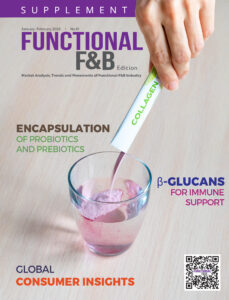

การพัฒนาอาหารเพื่อสุขภาพที่มีสารออกฤทธิ์ทางชีวภาพเป็นหัวใจของอุตสาหกรรมอาหารยุคใหม่ อย่างไรก็ตาม สารเหล่านี้ โดยเฉพาะโพรไบโอติกส์และพรีไบโอติกส์ มักมีความไม่เสถียรต่อความร้อน แสง ออกซิเจน รวมถึงการย่อยในระบบทางเดินอาหาร ส่งผลให้ประสิทธิภาพลดลงระหว่างการแปรรูปและการเก็บรักษา
เทคโนโลยีการห่อหุ้ม (Encapsulation Technology) จึงถูกนำมาใช้เพื่อปกป้องสารออกฤทธิ์ เพิ่มความเสถียร และควบคุมการปลดปล่อยในตำแหน่งที่เหมาะสมในร่างกาย โดยอาศัยวัสดุห่อหุ้มที่ช่วยลดการเสื่อมสภาพจากสิ่งแวดล้อม และรักษาความมีชีวิตของจุลินทรีย์
ปัจจุบันมีเทคนิคการห่อหุ้มหลากหลาย เช่น spray drying, freeze-drying, extrusion, emulsion, gelation และ EHD encapsulation ซึ่งแต่ละวิธีมีจุดเด่นแตกต่างกันในด้านต้นทุน ความสามารถในการปกป้องสารไวต่อความร้อน และการควบคุมการปลดปล่อย การเลือกเทคโนโลยีที่เหมาะสมจึงต้องพิจารณาคุณสมบัติของสารอาหาร เมทริกซ์อาหาร และเป้าหมายด้านการออกฤทธิ์ เพื่อพัฒนาอาหารฟังก์ชันที่มีประสิทธิภาพและยั่งยืนในระยะยาว
By: Chayanee Chimpalee
chayanee.c@cmu.ac.th
Asst. Prof. Phatthranit Klinmalai, Ph.D.
phatthranit.k@cmu.ac.th
Faculty of Agro-Industry
Chiang Mai University
The development of functional foods enriched with bioactive compounds is a key focus of the modern food industry. However, many bioactives—particularly probiotics and prebiotics—are highly sensitive to heat, oxygen, light, and gastrointestinal conditions, leading to reduced stability and effectiveness during processing, storage, and digestion.
Encapsulation technology has therefore become a critical strategy to protect these sensitive compounds, enhance their stability, and enable controlled release at targeted sites in the digestive system. By enclosing bioactives within protective wall materials, encapsulation helps preserve probiotic viability and reduce environmental degradation.
A variety of encapsulation techniques are currently used in the food industry, including spray drying, freeze-drying, extrusion, emulsion-based methods, gelation, and electrohydrodynamic (EHD) encapsulation. Each method offers distinct advantages in terms of cost, thermal protection, scalability, and release control. Selecting the appropriate technique requires careful consideration of bioactive properties, food matrix compatibility, and desired functional outcomes, enabling the development of effective and sustainable functional foods.