


วิเคราะห์ตลาดอาหารฮาลาลทั่วโลก: โอกาสและแนวโน้มการเติบโตของประเทศไทย
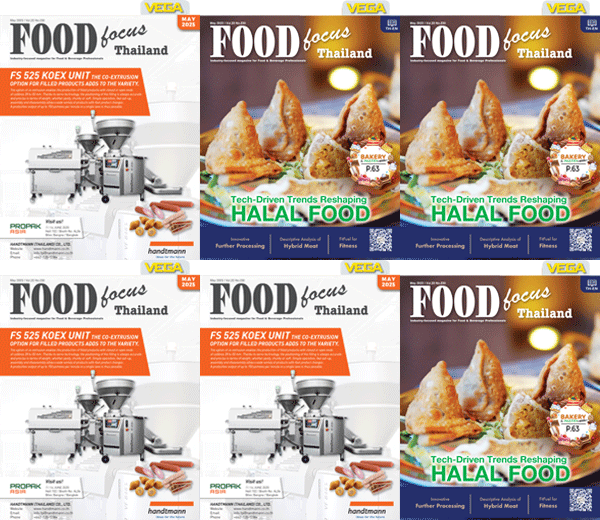

ปัจจัยขับเคลื่อนการเติบโตของผลิตภัณฑ์อาหารฮาลาลทั่วโลก
ในปี พ.ศ. 2568 ประชากรมุสลิมทั่วโลกอยู่ที่ประมาณ 2,000 ล้านคน หรือคิดเป็นร้อยละ 25 ของประชากรโลก โดยอัตราการเพิ่มขึ้นของประชากรมุลลิมอยู่ที่ร้อยละ 1.2 ต่อปี ซึ่งสูงกว่าการเติบโตของประชากรโลก (ร้อยละ 0.3 ต่อปี) ถึง 4 เท่า และคาดการณ์ว่าประชากรมุสลิมจะเพิ่มขึ้นเป็นร้อยละ 30 ของประชากรโลก หรือประมาณ 2,800 ล้านคน ภายในปี พ.ศ. 2593 ซึ่งภาวการณ์ดังกล่าวจะทำให้ความต้องการอาหารฮาลาลเพิ่มขึ้นอย่างมีนัยสำคัญ และเป็นแรงผลักดันหลักที่จะทำให้ตลาดอาหารฮาลาลกลายเป็นพื้นที่แห่งโอกาสของผู้ประกอบการที่มองเห็นศักยภาพในการเติบโตของผลิตภัณฑ์กลุ่มนี้
สถานการณ์การส่งออกอาหารฮาลาลของไทย
ในช่วงปี พ.ศ. 2565-2567 การส่งออกอาหารฮาลาลไทยเริ่มฟื้นตัวจากสถานการณ์โควิด-19 โดยในปีพ.ศ. 2567 มูลค่าการส่งออกสินค้าอาหารฮาลาลไทยอยู่ที่ 6,783 ล้านเหรียญดอลลาร์สหรัฐฯ ซึ่งเติบโตเพิ่มขึ้นร้อยละ 5.9 ขณะที่ส่วนแบ่งตลาดโลกของไทยเพิ่มขึ้นเป็นร้อยละ 2.67 จากที่เคยลดต่ำสุดเพียงร้อยละ 1.88 ในช่วงสถานการณ์โควิด-19 เมื่อปี พ.ศ. 2564 ทั้งนี้ ศักยภาพในการผลิตและคุณภาพมาตรฐานของผลิตภัณฑ์มีส่วนช่วยให้อาหารฮาลาลของไทยได้รับการยอมรับและเติบโตเพิ่มขึ้น โดยเฉพาะในประเทศมุสลิมและกลุ่มประเทศในเอเชียใต้ ตะวันออกกลาง แอฟริกาเหนือ รวมทั้งกลุ่มประเทศที่ไม่ใช่มุสลิม (Non-Muslim Countries) ที่มีการขยายตัวของประชากรมุสลิมอย่างรวดเร็ว
ปัจจุบัน ตลาดอาหารฮาลาลไม่ได้จำกัดอยู่เพียงแค่ในกลุ่มประเทศมุสลิมเท่านั้น แต่ยังขยายตัวอย่างรวดเร็วในกลุ่มประเทศที่ไม่ใช่มุสลิมอีกด้วย อย่างไรก็ตาม ตลาดฮาลาลในกลุ่มประเทศมุสลิมยังคงเป็นเป้าหมายหลัก ขณะที่ตลาดอาหารฮาลาลในกลุ่มประเทศที่ไม่ใช่มุสลิมนับเป็นโอกาสใหม่ที่มีศักยภาพและความท้าทายมากยิ่งขึ้นเป็นลำดับสำหรับผู้ประกอบการไทย
โอกาสของอาหารฮาลาลไทยในเวทีโลก
ประเทศไทยมีจุดแข็งสำคัญในด้านคุณภาพสินค้า มาตรฐานฮาลาลที่ได้รับการยอมรับในระดับสากล รวมถึงภาพลักษณ์ที่ดีของแบรนด์อาหารไทยในตลาดโลก ทั้งในกลุ่มประเทศมุสลิมและไม่ใช่มุสลิม ซึ่งส่วนใหญ่มีความคุ้นเคยและเชื่อมั่นในสินค้าไทยอยู่แล้ว หากผู้มีส่วนเกี่ยวข้องสามารถเสริมสร้างศักยภาพในการผลิต ยกระดับมาตรฐานฮาลาลให้สอดคล้องกับข้อกำหนดของประเทศปลายทาง ตลอดจนสร้างความสัมพันธ์กับผู้นำเข้าอย่างใกล้ชิด อันมีส่วนสำคัญที่จะช่วยยกระดับขีดความสามารถในการแข่งขันของสินค้าอาหารฮาลาลในระดับโลกได้อย่างมั่นคง
By:
Chirasak Khamsuri
Food Intelligent Center and Information Technology
National Food Institute
Chirasak@nfi.or.th
Key Drivers of Global Halal Food Product Growth
In 2025, the global Muslim population is approximately 2 billion, representing about 25% of the world’s population. The Muslim population is growing at a rate of 1.2% per year, which is four times higher than the global population growth rate of 0.3% annually. It is projected that by 2050, Muslims will constitute 30% of the global population, or about 2.8 billion people. This demographic trend will significantly increase the demand for halal food, acting as a major driving force that will transform the halal food market into a realm of opportunity for businesses that recognize the growth potential of this product segment.
Thailand’s Halal Food Export Situation
Between 2022 and 2024, Thailand’s halal food exports began to recover from the COVID-19 pandemic. In 2024, the export value of Thai halal food reached USD 6.783 billion, reflecting a growth of 5.9%. Thailand’s global market shares also increased to 2.67%, up from a low of just 1.88% during the COVID-19 crisis in 2021. The country’s production capacity and high product quality standards have contributed to the growing recognition and expansion of Thai halal food, particularly in Muslim-majority countries and regions such as South Asia, the Middle East, and North Africa, as well as in non-Muslim countries with rapidly growing Muslim populations.
Currently, the halal food market is no longer limited to Muslim-majority countries; it has rapidly expanded into non-Muslim nations as well. However, halal markets in Muslim countries remain the primary focus, while the halal food market in non-Muslim countries presents a new opportunity with growing potential and challenges for Thai entrepreneurs.
Opportunities for Thai Halal Food on the Global Stage
Thailand has key strengths in product quality, internationally recognized halal standards, and a strong brand image for Thai food in the global market—both in Muslim and non-Muslim countries, where Thai products are broadly well-known and trusted. If stakeholders can enhance production capacity, elevate halal standards to meet the specific requirements of destination countries, and build close relationships with importers, these efforts will play a crucial role in sustainably strengthening the global competitiveness of Thai halal food products.