Food Focus Thailand
NOVEMBER 2013
40
ซึ่
งประสบความสำเร็
จอย
างสู
งด
านการลงทุ
นในสาขาโครงสร
างพื้
นฐานและ
ภาคบริ
การ สหรั
ฐอเมริ
กาได
เข
าให
ความช
วยเหลื
อจอร
เจี
ยทั้
งในด
านมนุ
ษยธรรม
วิ
ชาการ และการก
อสร
างต
างๆ ทั้
งยั
งได
ส
งที่
ปรึ
กษาด
านกฎหมายและผู
ให
การ-
ฝ
กอบรมภาคปฏิ
บั
ติ
สำหรั
บพนั
กงานรั
ฐสภา ตำรวจ และการวางแผนเศรษฐกิ
จ
ในส
วนของสหภาพยุ
โรปได
มี
ความตกลง GSP และ FTA กั
บจอร
เจี
ย เพื่
อปู
ทาง
สู
การเข
าเป
นสมาชิ
กสหภาพยุ
โรปในอนาคต
เศรษฐกิ
จจอร
เจี
ย
รั
ฐบาลยึ
ดมั่
นในแนวทางการปฏิ
รู
ปเศรษฐกิ
จให
สอดคล
องกั
บนโยบายของกองทุ
น
การเงิ
นระหว
างประเทศ (International Monetary Fund; IMF) และธนาคารโลก
(World Bank) และให
ความสำคั
ญกั
บการบู
รณะเส
นทางสายไหมในฐานะที่
เป
น
“Eurasian corridor” โดยจะใช
ที่
ตั้
งทางภู
มิ
ศาสตร
ของจอร
เจี
ยเป
นสะพาน
เชื่
อมการค
าระหว
างยุ
โรป CIS และเอเชี
ย
โครงสร
างทางเศรษฐกิ
จประกอบด
วย ภาคเกษตร ร
อยละ 7.8 ของ GDP โดยมี
การเพาะปลู
กพื
ชที่
สำคั
ญ ได
แก
องุ
น ส
ม ชา และ ฮาเซลนั
ท ภาคอุ
ตสาหกรรม
ร
อยละ 23 ของ GDP โดยอุ
ตสาหกรรมสำคั
ญ ได
แก
การผลิ
ตไวน
โลหะ เครื่
องจั
กร
เคมี
ภั
ณฑ
สิ่
งทอ การทำเหมื
องแร
ทองแดง แมงกานี
ส และทอง ส
วนภาคบริ
การ
ร
อยละ 69.2 ของ GDP โดยการท
องเที่
ยวและการขนส
งเป
นภาคธุ
รกิ
จที่
สำคั
ญ
นโยบายเศรษฐกิ
จที่
สำคั
ญขณะนี้
คื
อ การพั
ฒนาเส
นทางการวางท
อส
งน้
ำมั
น
ระหว
างเมื
อง Baku-Tbilisi-Ceyhan และท
อน้
ำมั
นสาย Baku-Tbilisi -Erzerum
รวมทั้
งพั
ฒนาเส
นทางรถไฟ Kars-Akhalkalaki ซึ่
งจะช
วยยกสถานะของประเทศ
สู
การเป
นจุ
ดยุ
ทธศาสตร
เชื่
อมโยงยุ
โรปและเอเชี
ย และการเป
นฮั
บด
านการขนส
ง
สิ
นค
าและพลั
งงานของภู
มิ
ภาคคอเคซั
ส ป
จจุ
บั
นจอร
เจี
ยต
องการนำเข
าน้
ำมั
นและ
ก
าซเกื
อบทั้
งหมดซึ่
งส
วนใหญ
นำเข
าจากรั
สเซี
ยเพื่
อการบริ
โภคในประเทศ ดั
งนั้
น
เพื่
อเป
นการลดความเสี่
ยงจอร
เจี
ยจึ
งได
พั
ฒนาโรงไฟฟ
าพลั
งน้
ำที่
มี
ศั
กยภาพสู
ง
พร
อมทั้
งมี
การนำเข
าน้
ำมั
นจากอาเซอร
ไบจานมากยิ่
งขึ้
นเพื่
อลดการพึ่
งพา
รั
สเซี
ย
ป
จจุ
บั
นจอร
เจี
ยเป
นประเทศหนึ่
งที่
มี
เศรษฐกิ
จเติ
บโตเร็
วที่
สุ
ดในกลุ
มประเทศ
อดี
ตสหภาพโซเวี
ยต นั
บตั้
งแต
มี
การปฏิ
วั
ติ
ดอกกุ
หลาบ (Rose Revolution)
ในป
2546 รั
ฐบาลของประธานาธิ
บดี
มี
เคอิ
ล ซาคั
ชวี
ลี
ก็
ได
ฟ
นฟู
ประเทศทุ
กๆ ด
าน
ได
แก
การเป
ดเสรี
เศรษฐกิ
จ การพั
ฒนาอย
างมั่
นคงยั่
งยื
น โดยมี
ภาคเอกชน
เป
นแกนนำในการขั
บเคลื่
อนเศรษฐกิ
จ สร
างแรงจู
งใจต
อการลงทุ
น ส
งผลให
เกิ
ดการไหลเข
าของการลงทุ
นจากต
างประเทศอย
างเห็
นได
ชั
ด รั
ฐบาลมี
เป
าหมาย
ที่
แน
วแน
ในการปฏิ
รู
ปเศรษฐกิ
จ โดยมี
นโยบายและเครื่
องมื
อสำคั
ญ ได
แก
การใช
งบประมาณอย
างมี
ประสิ
ทธิ
ภาพเพื่
อกระตุ
นเศรษฐกิ
จประเทศ การปฏิ
รู
ปภาษี
(ตั้
งแต
เดื
อนมกราคม 2548) ที่
ลดอั
ตราภาษี
ลงเพื่
อให
ประชาชนลดการหลบเลี่
ยง
ภาษี
กระตุ
นให
ภาคเอกชนเข
ามาลงทุ
นเพิ่
ม และยั
งพั
ฒนาบรรยากาศการลงทุ
น
แก
นั
กลงทุ
นต
างชาติ
ผลจากการปฏิ
รู
ปเศรษฐกิ
จสู
ระบบเศรษฐกิ
จที่
มี
ความหลากหลาย ส
งผลให
ในป
2548-2550 จอร
เจี
ยมี
การเติ
บโตเฉลี่
ยป
ละร
อยละ 10 โดยในป
2550
มี
การเติ
บโตสู
งสุ
ดร
อยละ 12.3 ทั้
งนี้
ในภาพรวมช
วงป
2548-2550 มี
การเติ
บโตถึ
ง
ร
อยละ 35 แม
ว
าจะต
องเผชิ
ญกั
บป
ญหาจากภายนอก ได
แก
สงครามกั
บรั
สเซี
ย
Europe and Asia and the
transportation and energy
hub of the Caucasus
region. Currently, Georgia
needs to import oil and
gas almost totally. They
are mainly imported
from Russia for domestic
consumption. In order to
reduce the risk, Georgia
has developed high
potential hydropower
energy and import more
oil from Azerbaijan to
reduce dependence on
Russia.
Georgia is currently one of the fastest growing economies in the
former Soviet Union since the Rose Revolution in 2003. The government
of President Mikheil Saakashvili has recovered every sector of the country
including the liberalization of the economy and sustainable development.
The private sector is the mainstay of the economy to give incentives
to investors that result in significant influx of foreign investment. The
government’s goal is decisive on the economic reforms. The major policy
is effectively use of budget to stimulate the economy and tax reform
(from January 2005) with the lower the tax rate for people to remedy
tax evasion, to encourage private sector on investment and to improve
the investment climate for foreign investors.
As a result of economic reforms to the economic system diversity,
Georgia is growing at 10% annually on average in 2005-2007. By the
2007, the top growth rate reaches 12.3%. The overall growth during
2005-2007 recorded 35%even though the country faced with the problem
from the outside, including the war with Russia and the global financial
crisis in 2008. But the result of the positive reform and liberalization of
the economy affected the economy of Georgia in 2008 to grow at 2.3%.
Although the economy shrank (3.8%) in 2009, Georgia was able to
recover quickly with a growth rate of 6.3% in 2010. For 2011 and 2012, her
growing rate remained at high level of 7.2% and 6.5%, respectively.
°≈ÿà
¡ª√–‡∑»‡§√◊
Õ√—
∞‡Õ°√“™
§◊
Õ √—
∞Õ‘
√–μà
“ßÊ ∑’Ë
·¬°ÕÕ°¡“®“°
À¿“æ‚´‡«’
¬μ√—
‡´’
¬ ´÷Ë
ß¡’
®”π«π
11 ª√–‡∑» ª√–°Õ∫¥â
«¬ Õ“√å
‡¡‡π’
¬
Õ“‡´Õ√å
‰∫®“π ‡∫≈“√ÿ
®Õ√å
‡®’
¬ §“´—
§ ∂“π
§’
Ì
°‘
´ ∂“π ¡Õ≈‚¥«“ √—
‡´’
¬ ∑“®‘
°‘
∂“π
Need
to know
¬Ÿ
‡§√π ·≈–Õÿ
´‡∫°‘
∂“π μ≈“¥¢Õß°≈ÿà
¡ª√–‡∑» CIS ‡ªì
πμ≈“¥
∑’Ë
¡’
»—
°¬¿“æ ‚¥¬‡©æ“–√—
‡´’
¬∑’Ë
®–‡ªì
πª√–μŸ
Ÿà
ª√–‡∑» CIS Õ◊Ë
πÊ
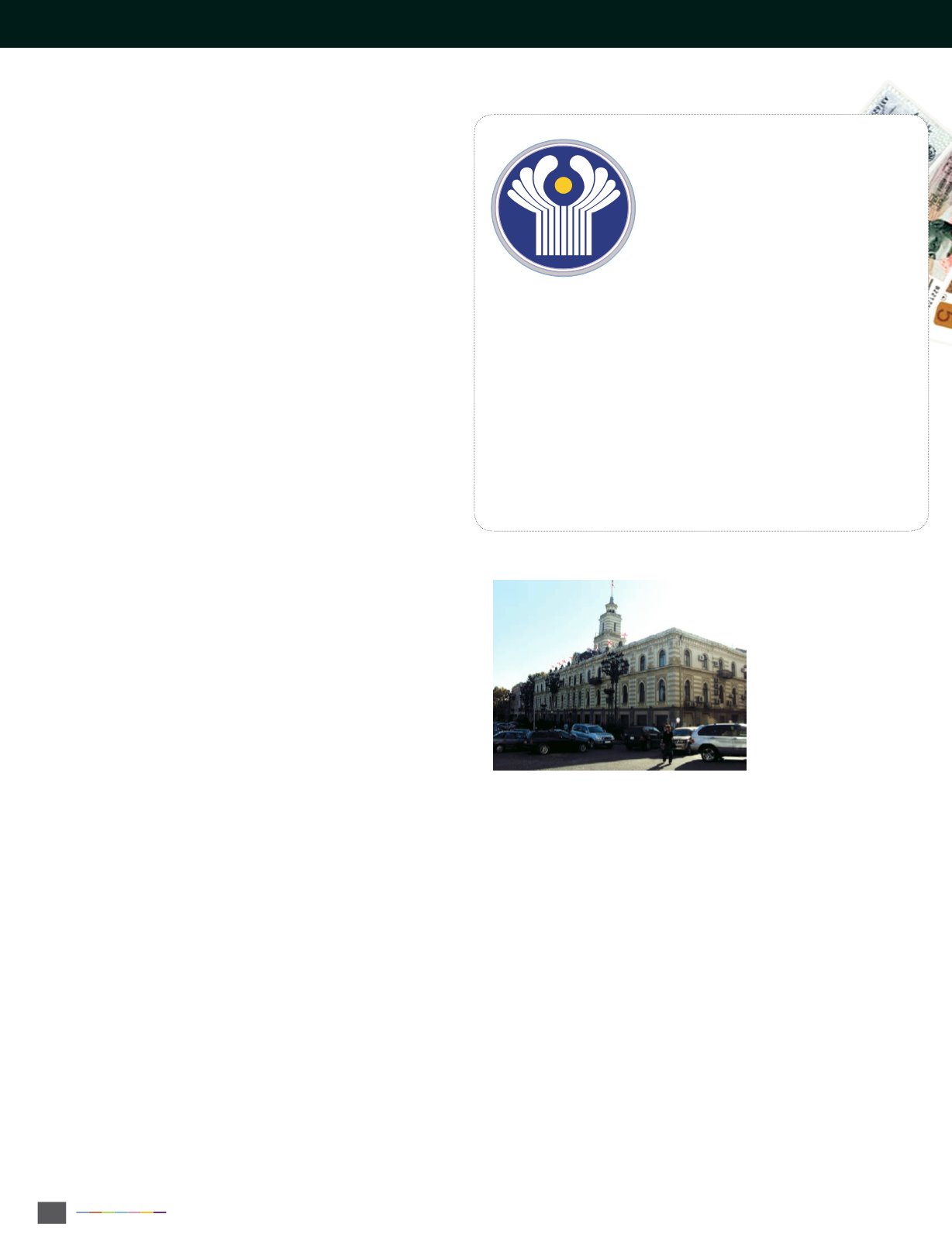
Commonwealth of Independent States (CIS) are independent
states being separated from the Soviet Union which consists of
11 countries i.e. Armenia, Azerbaijan, Belarus, Georgia,
Kazakhstan, Kyrgyzstan, Moldova, Russia, Tajikistan, Ukraine and
Uzbekistan. Markets of CIS countries have plenty of potential
especially Russia as a gateway to other CIS countries.


