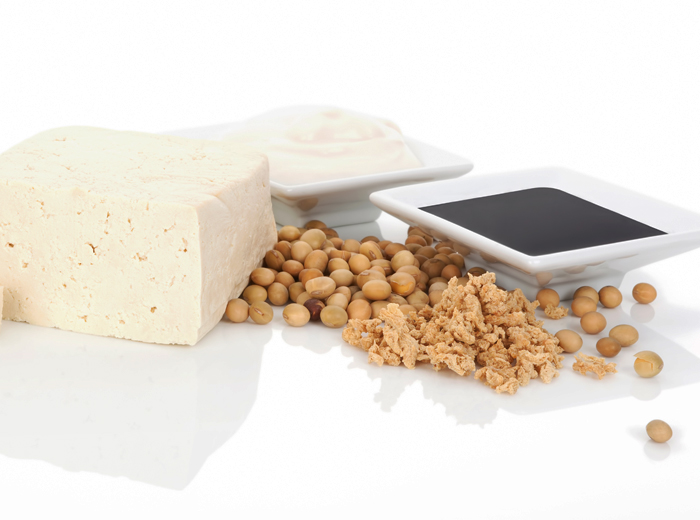
 Continue reading “Soybean Products from Traditional Use to Modern Applications”
Category: What’s In
Canada Food Safety Regulations for Consumer
The Next Chapter of Columbit in Thailand

See What’s New in the Star Items May 2022
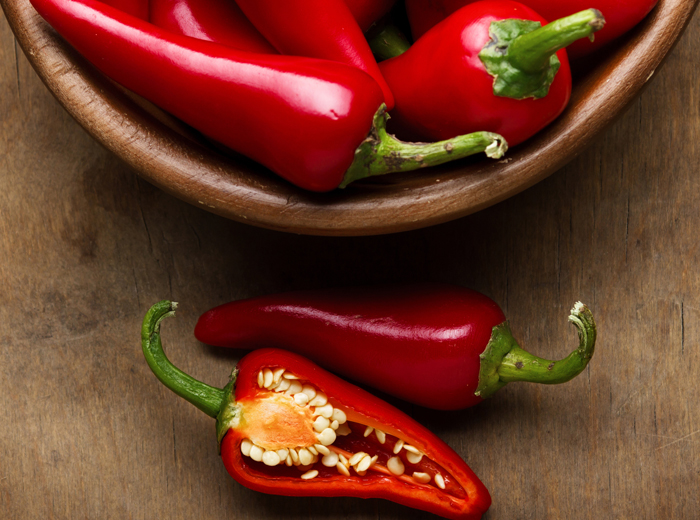
Confirmation of Pesticides in Jalapeno Peppers Using MS/MS Data and Library Matching Software
Brain Foods That May Help Prevent Alzheimer’s and Dementia

รู้ไว้ก่อน (สมอง)เสื่อม…กับอาหารเพื่อสุขภาพสมองและระบบประสาทที่ดี
By: Assistant Professor Tosporn Namhong
Visiting Lecturer
Rajamangala University of Technology Suvarnabhumi
tnamhong@hotmail.com
FULL ARTICLE TH-EN
สมองมนุษย์ คือศูนย์กลางของระบบประสาท มีหน้าที่ทำให้เกิดความคิด ความจำ การเคลื่อนไหว และอารมณ์ สมองเป็นอวัยวะที่มีความซับซ้อน มีหน้าที่ที่มีผลต่อการใช้ชีวิตประจำวัน เช่น การควบคุมการเคลื่อนไหว การรับรู้ การรักษาพฤติกรรม การมองเห็น การหายใจ ความหิว และทุกๆ กระบวนการในร่างกายให้เป็นปกติ ดังนั้น การรักษาสุขภาพสมอง จึงเป็นเป้าหมายที่สำคัญต่อสุขภาพโดยรวมและการมีอายุยืนยาว การรักษาสุขภาพสมองก็คือ การรักษาให้สมอง สภาพจิต และสภาพการรับรู้ เป็นไปตามปกติตามช่วงอายุนั้นๆ โดยที่ไม่มีโรคทางสมองมารบกวนการทำงานที่เป็นปกติของสมอง
การปรับเปลี่ยนเซลล์สมองโดยทำให้การเชื่อมต่อระหว่างเซลล์สมองแข็งแรงขึ้น และทำให้มีการสร้างเซลล์สมองใหม่ๆ จากบริเวณฮิปโปแคมปัส จึงเป็นกุญแจสำคัญในการรักษาสุขภาพสมองและความจำ ซึ่งการเพิ่มความสามารถในการเปลี่ยนแปลงของสมองหมายถึงความจำที่ดีขึ้น โดยส่งเสริมให้มีสารกระตุ้นการเติบโตหรือ Growth factor ของสมองมากขึ้น ได้แก่ สารที่ควบคุมการเติบโตและซ่อมแซมในสมอง (Brain Derived Neurotrophic Factor; BDNF) และสารส่งเสริมการเจริญเติบโตของเซลล์ประสาท (Nerve Growth Factor; NGF) ส่งเสริมให้มีการเชื่อมต่อใหม่ที่แข็งแรงขึ้นระหว่างเซลล์สมองที่มีอยู่เดิม และส่งเสริมการสร้างเซลล์ประสาทใหม่ ซึ่งพบว่าการออกกำลังกายช่วยเพิ่มสาร BDNF และ NGF การมีกิจกรรมทางสมองอยู่เสมอ ช่วยทำให้เพิ่มความสามารถในการปรับเปลี่ยนของเซลล์สมองสำหรับการเรียนรู้ใหม่ๆ นอกจากนี้การบริโภคอาหารครบทุกหมู่ จะช่วยจำกัดปริมาณน้ำตาล เพิ่มไขมันดี วิตามิน เกลือแร่ และสารต้านอนุมูลอิสระ ก็จะมีส่วนช่วยส่งเสริมความสามารถในการปรับเปลี่ยนเซลล์สมอง
อาหารเพื่อสุขภาพที่มีประโยชน์ต่อสมอง ช่วยการทำงานของเซลล์สมอง ป้องกันไม่ให้สมองเสื่อมก่อนวัยอันควร มีดังนี้
1.ข้าวกล้องงอก อุดมด้วยสารกาบา มากกว่าข้าวกล้องปกติ 15 เท่า ป้องกันสมองถูกทำลายและเป็นโรคอัลไซเมอร์ รวมทั้งทำให้สมองเกิดความผ่อนคลาย นอนหลับได้ง่ายขึ้น
2.นม มีสารอาหารหลักครบ 5 หมู่รวมกัน โดยเฉพาะมีวิตามินบี 1 ช่วยบำรุงประสาท วิตามินบี 12 ช่วยดูแลการทำงานของระบบประสาทในส่วนความจำ ลดความเสี่ยงการเป็นอัลไซเมอร์
3.ผัก โดยเฉพาะผักปวยเล้ง มีกรดโฟลิก ที่เป็นส่วนประกอบจำเป็นต่อการสร้างสารเซโรโทนิน ในระบบเซลล์ประสาท และมีเอนไซม์ช่วยเสริมความแข็งแรงของสารสื่อประสาท (Neurotransmitter)
มีอาหารสำหรับสมองอีกหลายชนิด สามารถอ่านได้ในบทความเต็ม
The human brain is the center of the nervous system. Its duty is to generate thoughts, memories, mobility, and emotions. The brain is an amazingly complex organ and is responsible for our daily life activities, such as mobility, perception, behavior modification, vision, respiration, digestion, and all the functions in the body, to function normally. Therefore, caring for brain health is the ultimate goal for overall health and long life. To maintain brain health is to keep the brain, mental health, and perception proper and balanced according to age range without brain disorders affecting normal brain functions.
Enhancing brain cells by strengthening connections between neurons and producing new brain cells from the Hippocampus area is the key to maintaining brain health and memory. Heightening the brain’s ability to change means better memory. This is done by promoting growth factor substances in the brain, such as Brain Derived Neurotrophic Factor (BDNF) and Nerve Growth Factor (NGF). They will help activate strong connections between existing brain cells and regenerate new neurons. It was found that exercise helps increase BDNF and NGF substances. Regular brain-stimulating activities help enhance the brain cells’ ability to learn new things. In addition, a well-balanced diet, which will control sugar levels, and increase good fats, vitamins, minerals, and antioxidants, also helps the brain cells to transform.
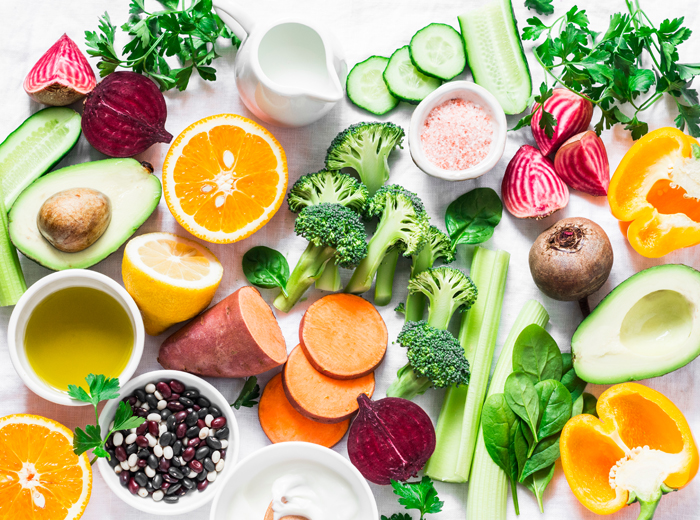
Healthy Brain Foods Enhance Brain Cell Functions and Delays Brain Deterioration.
1.Germinated brown rice – full of GABA, 15 times more than ordinary brown rice. It prevents brain deterioration and Alzheimer’s disease. It also lets your brain relax and helps you sleep better at night.
2.Milk – It has all five major nutrients, especially vitamin B1 for the nervous system and vitamin B12 for the memory-part nervous system, reducing Alzheimer’s disease risk.
3.Vegetables – especially spinach, contain folic acid, an essential component in the serotonin production of neurons, and enzymes to nourish and strengthen neurotransmitters.
More Food for Brain You Should Know in Full Article
The Perfect Juice Analysis
การวิเคราะห์น้ำผลไม้ที่สมบูรณ์แบบ
By: บริษัท เมทเล่อร์-โทเลโด (ประเทศไทย) จำกัด
Mettler-Toledo (Thailand) Limited.
MT-TH.CustomerSupport@mt.com

รสชาติและอายุของน้ำผลไม้และน้ำผลไม้เข้มข้น จะได้รับผลกระทบจากส่วนประกอบน้ำตาล ความเป็นกรด และค่า pH และจำเป็นต้องมีการตรวจสอบอย่างสม่ำเสมอและถูกต้อง ท่ามกลางตลาดที่ขยายตัวอย่างรวดเร็ว การรับประกันคุณภาพจึงต้องเผชิญความท้าทายมากมาย รวมทั้งยังต้องทำให้การผลิต การทดสอบ และการอบรมผู้ปฏิบัติงานใหม่ๆ ให้มีความทันสมัยอยู่เสมอ
โลกเรากำลังให้ความสำคัญมากขึ้นกับน้ำผักและผลไม้เพื่อเป็นแหล่งโภชนาการประจำวัน การบริโภคน้ำผลไม้ทั่วโลกที่ตั้งเป้าไว้ มีการประเมินไว้ที่เกือบ 65 พันล้านลิตรในปี ค.ศ. 2015 ความต้องการที่สูงเช่นนั้นต้องการการผลิตและการทดสอบที่รวดเร็วและมีประสิทธิภาพมากขึ้น ก็เหมือนกับตลาดที่กำลังเติบโตอื่นๆ การรับประกันคุณภาพในการผลิตน้ำผลไม้จะต้องพบกับความท้าทายมากมาย รวมทั้งความจำเป็นอย่างต่อเนื่องในการเพิ่มประสิทธิภาพ การผลิตและอบรมพนักงานใหม่ ตามปกติผู้ปฏิบัติงานจะต้องได้รับการอบรมและมีความสามารถในการควบคุมเครื่องมือหลายอย่าง เพื่อให้สามารถกำหนดองค์ประกอบหลักสำหรับรสชาติและอายุของสินค้าได้ กล่าวคือ ค่า pH ความเป็นกรด และค่า Brix (ปริมาณน้ำตาล) รวมถึงวิธีการที่ถูกต้องสำหรับการรายงานผลการทดสอบระบบการวิเคราะห์ใหม่แบบหลายตัวแปรของบริษัทชั้นนำด้านเครื่องมือการตรวจวิเคราะห์สำหรับน้ำผลไม้และน้ำผลไม้เข้มข้นช่วยลดงานของผู้ปฏิบัติงานและการฝึกอบรม ทำให้เกิดความน่าเชื่อถือในการวัดและความสามารถในการวัดค่าซ้ำพร้อมการรายงานผลที่โปร่งใส
การวิเคราะห์แบบอัจฉริยะสำหรับทุกผลลัพธ์
การใช้ระบบวิเคราะห์น้ำผลไม้แบบหลายตัวแปรมีความง่ายดาย ผู้ปฏิบัติงานเพียงวางตัวอย่างเข้าไปในระบบ คลิกเพียงหนึ่งปุ่มเพื่อเริ่มการวิเคราะห์ และจากนั้นก็สามารถออกห่างจากเครื่องมือเพื่อไปปฏิบัติงานอย่างอื่นอย่างปลอดภัย โดยที่ตระหนักดีว่าระบบไม่เพียงแต่จะทำการวิเคราะห์ค่า pH ค่าความเป็นกรดโดยใช้การไทเทรต และค่า Brix โดยใช้ดรรชนีหักเห ได้อย่างถูกต้องและมีประสิทธิภาพแล้ว แต่ยังจะทำความสะอาดส่วนประกอบทั้งหมดเพื่อให้มั่นใจว่าระบบจะพร้อมสำหรับตัวอย่างต่อไป และไม่มีการปนเปื้อนของตัวอย่าง การป้อนรหัสตัวอย่างสำหรับการเชื่อมโยงผลลัพธ์มีความง่ายดาย ด้วยการใช้จอแบบสัมผัสและยิ่งง่ายขึ้นไปอีกด้วยการมีเครื่องอ่านบาร์โค้ด
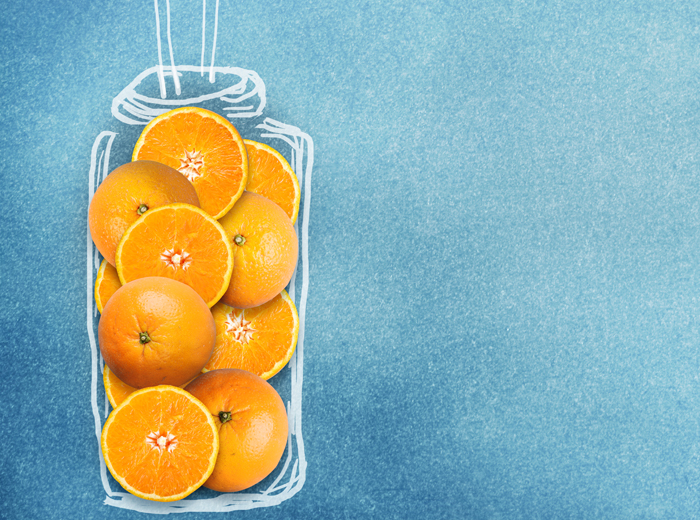
The taste and shelf life of fruit juices and fruit juice concentrates are affected by sugar content, acidity, and pH and require constant and accurate monitoring. With a rapidly expanding market, quality assurance faces many challenges, including keeping up with production, testing, and training new operators.
The world is increasingly looking to fruit and vegetable juices as a source of daily nutrition. Projected world juice consumption is estimated at nearly 65 billion liters in the year 2015. Such a high demand calls for faster and more efficient production and testing. As with any growing market, quality assurance in juice production will face multiple challenges with a constant need to increase production efficiency and train new employees. Operators typically need to be trained and efficient in operating multiple instruments in order to determine the key factors for taste and shelf life, i.e., pH, acidity, and Brix (sugar content), including the proper protocols for reporting test results.
The well-known analytical equipment company’s new multiparameter analysis system for juice and juice concentrates minimizes operator work and training assuring measurement reliability and reproducibility with transparent result reporting.
Using a multiparameter juice analysis system is simple. The operator simply places the sample on the system, clicks one button to begin the analysis, and is then free to leave the instrument in order to perform other tasks safe in the knowledge that the system will accurately and efficiently not only analyze pH, total acidity by titration and Brix by refractive index but also clean all components ensuring the system is ready for the next sample and avoiding any crossover contamination. Entering the sample ID for result correlation is simple with the touchpad display and made even easier with an integrated barcode reader.
Food Safety in Poultry Production
ความปลอดภัยของกระบวนการผลิตอาหารแปรรูปจากสัตว์ปีก
By: Albert S. Lee
Senior Technical Manager, Southeast Asia
Florife R. Yasa
Innovation Deployment Manager, Southeast Asia
Ecolab Ltd.
FoodbeverageSEA@ecolab.com

ไก่ที่เข้าไปในโรงเชือดบางตัวอาจมีการปนเปื้อนของจุลินทรีย์ก่อโรค (bacterial pathogens) ในลำไส้ ได้แก่ Salmonella, Campylobacter และ Listeria monocytogenes ซึ่งก่อให้เกิดอันตรายร้ายแรงต่อมนุษย์ จุลินทรีย์ก่อโรคเหล่านี้สามารถปนเปื้อนเข้าสู่โรงงานแปรรูปได้จากขน ซากสัตว์ที่ปนเปื้อนมูลสัตว์ และดิน หลังจากนั้น สิ่งปนเปื้อนจะยังคงตกค้างอยู่บนอุปกรณ์ และกลายเป็นไบโอฟิล์ม จนกว่าจะถูกกำจัดออกด้วยกระบวนการทำความสะอาดและฆ่าเชื้อ ซึ่งเนื้อสัตว์ที่มีการปนเปื้อนอาจส่งผลให้ผู้บริโภคเกิดอาการเจ็บป่วยจนถึงแก่ชีวิต เกิดการเรียกคืนผลิตภัณฑ์ และอาจ ร้ายเเรงถึงขั้นการปิดโรงงาน
การรักษาโรงเรือนสัตว์ปีกให้มีความปลอดภัยการจัดหาไก่ที่สะอาด สุขภาพดี และได้รับการฉีดวัคซีนครบถ้วน ส่งให้กับโรงงานแปรรูปสัตว์ปีก รวมถึงระเบียบวิธีด้านสุขอนามัยที่เหมาะสม มีความสำคัญต่อกระบวนการผลิตอาหารให้ปลอดภัย เพื่อกำจัด
ไบโอฟิล์มของเชื้อ Salmonella, Listeria และจุลินทรีย์ที่ทำให้อาหารเน่าเสีย (spoilage bacteria) ออกจากอุปกรณ์แปรรูปอาหาร โดยเฉพาะการกำจัดไบโอฟิล์มที่ก่อให้เกิดอันตรายนั้น สามารถทำได้โดยการใช้น้ำยาทำความสะอาดแบบโฟมชนิดด่าง น้ำยาฆ่าเชื้อ และการล้าง โดยการใช้สารละลายด่างสามารถขจัดพอลิแซ็กคาไรด์ (polysaccharide) ที่จุลินทรีย์หลั่งออกมาเพื่อป้องกันตัวเองจากความแปรปรวนของอุณหภูมิ ความชื้น และสารเคมีที่ใช้ในการทำความสะอาดได้ หลังจากนั้น ไบโอฟิล์มที่หลงเหลืออยู่จะถูกกำจัดออกด้วยน้ำยาฆ่าเชื้อ (น้ำยาฆ่าเชื้อประเภทคลอรีน หรือกรด) โดยสิ่งสำคัญที่ควรคำนึงถึง คือการใช้น้ำยาฆ่าเชื้อเพียงอย่างเดียวนั้น ไม่สามารถกำจัดหรือทำลายไบโอฟิล์มได้อย่างมีประสิทธิภาพ ซึ่งวิธีการกำจัดไบโอฟิล์มออกจากพื้นผิวของอุปกรณ์ที่ดีที่สุด คือ การทำความสะอาดด้วยน้ำแรงดันสูง (10-15 บาร์) นอกจากนี้ โปรแกรมการทำความสะอาดแบบโฟม อาจนำมาปรับใช้ให้เหมาะสมได้ด้วยการลดโปรแกรมจาก 5 ขั้นตอน เหลือเพียง 3 ขั้นตอน โดยใช้น้ำยาทำความสะอาดชนิดด่างที่มีประสิทธิภาพ และมีคุณสมบัติในการฆ่าเชื้อ (น้ำยาทำความสะอาด/น้ำยาฆ่าเชื้อ) ตัวอย่างเช่น ผลิตภัณฑ์นวัตกรรมที่ไม่มีส่วนผสมของควอท (QAC)
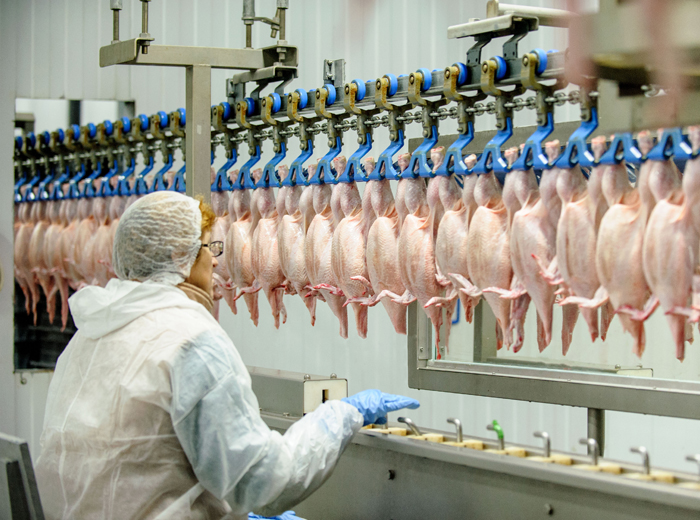
Some chickens that enter the slaughtering sheds may carry bacterial pathogens in their intestines including Salmonella, Campylobacter, and Listeria monocytogenes which cause serious illness. The pathogens can enter processing plants on feathers, carcasses contaminated with faeces, and soil, then remain on equipment as biofilm until removed through cleaning and sanitation. Contaminated meat can result in potentially deadly illness, product recalls, even factory closures.
Keeping Poultry Plant Safe
Supplying clean, healthy, vaccinated chickens to poultry plants and applying the appropriate hygiene protocols that remove biofilms of Salmonella, Listeria and spoilage bacteria from processing equipment are critical to the production of safe product. Removing harmful biofilms involves applying an alkaline foam cleaner, a sanitizer and rinsing. The alkali removes the polysaccharide that pathogens secrete to protect themselves against fluctuations in temperature and moisture, and cleaning chemicals. After this, the biofilm residents are exposed to the lethal effects of the sanitizer (chlorine-based or peracid-based sanitizers). It’s important to note that applying sanitizers alone will not effectively remove the biofilm or kill the residents. Removal of the biofilm from its attachment to the surface of equipment is best achieved by rinsing with boosted pressure water (10-15 bars). Moreover, foam cleaning programs may be optimised by reducing the 5-step program to a 3-step program by using powerful, new alkali cleaners with sanitizing properties (cleaner/sanitizer). For example, the innovative products do not contain QAC as the sanitizing agent.
A New Wave of Plant-based Alternatives in Meat, Milk, and Egg Products
คลื่นลูกใหม่ของอาหารทางเลือกจากพืชในกลุ่มเนื้อ นม ไข่
Translated and Compiled By: รวิพร พลพืช
Rawiporn Polpued
Editorial Team Food Focus Thailand Magazine
editor@foodfocusthailand.com
Full Article TH-EN
เทรนด์อาหารทางเลือกจากพืชยังคงดำเนินต่อไปไม่หยุดยั้ง ด้วยแนวคิดในการพัฒนาผลิตภัณฑ์นวัตกรรม
จากพืชในทุกวันนี้ ไม่ได้เป็นเพียงการเลียนแบบผลิตภัณฑ์จากสัตว์เท่านั้น แต่ยังต้องคำนึงถึงประโยชน์ต่อสุขภาพ ความอร่อย และความหลากหลายอีกด้วย โดยเฉพาะอาหารจากพืชในหมวดหมู่ เนื้อ นม ไข่ ที่ช่วยขับเคลื่อนการเติบโตทางเศรษฐกิจ และตอบโจทย์ความมั่นคงทางอาหารอย่างยั่งยืน จึงทำให้เกิดการคัดสรรวัตถุดิบอย่างพิถีพิถัน เพื่อให้สามารถทดแทนผลิตภัณฑ์อาหารจากสัตว์ได้อย่างลงตัว โดยแนวโน้มของอาหารทางเลือกจากพืช ในปี 2022 นี้ สามารถแบ่งได้เป็น 3 กลุ่มหลัก ดังต่อไปนี้
The growth of plant-based alternatives has continued. Today’s innovative plant-based product development concept is not just imitations of animal products but also considers the health benefits, deliciousness, and more product variety. Especially plant-based foods like meat, milk, and egg category drive economic growth and respond to sustainable food security. Therefore, a meticulous selection of raw materials has occurred to perfectly replace animal-based food products. The trends in plant-based food alternatives in 2022 can be divided into three main groups as follow:
นมจากพืช
นมทางเลือก เป็นกลุ่มอาหารที่ใหญ่ที่สุดในตลาดอาหารจากพืช ซึ่งยังคงมีการพัฒนาและขยายไปสู่ผลิตภัณฑ์นมหลากหลายประเภทมากขึ้น โดยในปี 2564 ที่ผ่านมา ยอดขายนมจากพืชเพิ่มขึ้น ร้อยละ 4 หรือประมาณ 2.6 พันล้านดอลลาร์ ในขณะที่นมธรรมดาลดลง ร้อยละ 2
ไข่จากพืช
ในปี 2564 ไข่จากพืชมีการเติบโตอย่างรวดเร็วด้วยยอดขายที่เพิ่มขึ้น ร้อยละ 42 โดยในช่วงสามปีที่ผ่านมา ยอดขายไข่จากพืชสูงขึ้นมากกว่าร้อยละ 100 ในขณะเดียวกัน ยอดขายไข่ธรรมดาลดลง ร้อยละ 4
เนื้อสัตว์ และอาหารทะเลจากพืช
ยอดขายเนื้อสัตว์จากพืชในปี 2564 ยังคงแข็งแกร่ง อยู่ที่ 1.4 พันล้านดอลลาร์ เพิ่มขึ้นร้อยละ 74 ในช่วงสามปีที่ผ่านมา ซึ่งนำหน้าเนื้อสัตว์ทั่วไปเกือบสามเท่า โดยเบอร์เกอร์จากพืชยังคงเป็นผู้นำตลาดในหมวดหมู่นี้ และมียอดขายสูงที่สุด
Plant-based Dairy
Alternative milk is the largest category in the plant-based market, which is still developed and expanded to a wide range of dairy products. According to the report, plant-based milk dollar sales grew 4% or $2.6 billion, while conventional dairy milk sales declined 2% over 2021.
Plant-based Egg
The plant-based egg category also proliferated in 2021 with a 42% increase in dollar sales. Plant-based egg dollar sales have grown more than 100% in the past three years. Meanwhile, conventional egg dollar sales declined by 4%.
Plant-based Meat and Seafood
In 2021, plant-based meat dollar sales remained strong at $1.4 billion in sales, growing 74% in the past three years, outpacing conventional meat by almost three times. Plant-based burgers continue to lead the category as the top-selling product type.