NSF Certifies First Malaysian Bottled Water Client for Beverage Quality

Spritzer, a leading Malaysian bottled beverage brand, has earned certification to ANSI-Accredited Product Certification Body – Accreditation #0216

 Kuala Lumpur, Malaysia  (April 7, 2026)—NSF, a leading global organization dedicated to protecting human health, has awarded its first accredited product certification for bottled water and beverages in Malaysia.  Spritzer, a leading Malaysian bottled beverage company, received certification to ANSI-Accredited Product Certification Body – Accreditation #0216 for three of its product lines: Natural Mineral Water, Distilled Drinking Water and Sparkling Natural Mineral Water.

“With this first certification for bottled water and beverages in Malaysia, NSF is expanding its footprint in the APAC region, supporting even more businesses in their efforts to prioritize quality and safety,” said Sutida Ketudut, Managing Director, NSF APAC. “NSF’s Bottled Water and Packaged Ice certifications help clients to stand out in a highly competitive market, while ensuring that consumers have a verified, reliable option for drinking water and beverages.”

NSF developed the Bottled Water Certification program, which includes comprehensive guidelines and requirements specifically for bottled water. It is the only accredited product certification program that offers analysis for bottled water, including microbiological, chemical and radiological analyses in accordance with national and international regulations.

Dr. Chuah Chaw Teo, a key executive and the Research and Development (R&D) Director at Spritzer Bhd, received an official certificate from Sutida Ketudut, Managing Director of APAC, NSF.

Spritzer’s certified products can now carry the official NSF certification mark and be listed on NSF website, helping consumers and retailers to easily identified verified products. The popular beverage brand was founded in 1989 and offers innovative, sustainable and delicious hydration solutions.

NSF’s certification process involves a thorough product and manufacturing facility analysis. The products must be produced in a manufacturing facility that is inspected annually for compliance with international regulations, such as the United States Food and Drug Administration (FDA), Environmental Protection Agency (EPA), China Natural Mineral Water and European Union (EU). Additionally, the facility must undergo a rigorous annual or biannual audit to verify it meets all certification requirements.

Learn more about NSF’s beverage quality certification.

About NSF

NFI is an independent, global services organization dedicated to improving human and planet health for more than 80 years by developing public health standards and providing world-class testing, inspection, certification, advisory services and digital solutions to the food, nutrition, water, life sciences and consumer goods industries. NSF has 40,000 clients in 110 countries and is a World Health Organization (WHO) Collaborating Center on Food Safety and Water Quality.

About Spritzer
For over three decades, Spritzer has been synonymous with excellence in the bottled water industry. From its humble beginnings in 1989 to its current status as a pioneer and innovator, the group’s journey reflects a steadfast commitment to quality, sustainability, and customer satisfaction. As Spritzer continues to lead the way forward, it not only quenches the thirst of millions but also sets a refreshing standard for responsible and innovative business practices in Malaysia.


Grand Halal Bangkok 2026: โอกาสใหม่ของอาหารไทยในตลาดฮาลาลพรีเมียม

          อุตสาหกรรมฮาลาลกำลังเติบโตอย่างรวดเร็วและกลายเป็นหนึ่งในตลาดเศรษฐกิจที่สำคัญของโลก จากจำนวนประชากรมุสลิมที่เพิ่มขึ้นอย่างต่อเนื่อง ควบคู่กับความต้องการสินค้าอาหารที่มีคุณภาพ ปลอดภัย และตรวจสอบได้ ปัจจุบันมูลค่าตลาดฮาลาลโลกอยู่ที่ประมาณ 2.35 ล้านล้านดอลลาร์สหรัฐ โดยเฉพาะกลุ่มอาหารและเครื่องดื่มที่มีสัดส่วนสูงเกือบร้อยละ 60 ของตลาดทั้งหมด แนวโน้มนี้สะท้อนให้เห็นถึงโอกาสมหาศาลสำหรับผู้ประกอบการอาหารทั่วโลก รวมถึงประเทศไทย


          ประเทศไทยถือเป็นหนึ่งในประเทศที่มีศักยภาพสูงในตลาดฮาลาล ด้วยความแข็งแกร่งของอุตสาหกรรมอาหารที่ได้รับการยอมรับในระดับสากล ทั้งด้านคุณภาพ รสชาติ และความหลากหลายของวัตถุดิบ ปัจจุบันมีผู้ประกอบการอาหารฮาลาลมากกว่า 15,000 ราย และสถานประกอบการกว่า 3,500 แห่ง ขณะที่มูลค่าการส่งออกอาหารฮาลาลอยู่ที่ประมาณ 8.8 พันล้านดอลลาร์สหรัฐ แม้จะยังเป็นสัดส่วนไม่มากเมื่อเทียบกับตลาดโลก แต่ก็สะท้อนถึงโอกาสในการเติบโตอีกมากในอนาคต

          จุดแข็งสำคัญของประเทศไทยคือ ระบบการรับรองฮาลาลที่มีความน่าเชื่อถือ ดำเนินงานโดยคณะกรรมการกลางอิสลามแห่งประเทศไทย (CICOT) ซึ่งมีบทบาทในการกำกับดูแลมาตรฐาน ตรวจสอบกระบวนการผลิต และสนับสนุนผู้ประกอบการไทยอย่างต่อเนื่อง ทั้งในด้านองค์ความรู้ การพัฒนาศักยภาพ และการขยายตลาดสู่ระดับนานาชาติ ส่งผลให้สินค้าอาหารฮาลาลของไทยได้รับความไว้วางใจจากผู้บริโภคทั่วโลก

          ในยุคปัจจุบัน แนวคิด “Halal-Toyyiban” กำลังกลายเป็นมาตรฐานใหม่ของอุตสาหกรรมฮาลาล โดยไม่ได้เน้นเพียงความถูกต้องตามหลักศาสนาเท่านั้น แต่ยังครอบคลุมถึงความสะอาด ความปลอดภัย และคุณค่าทางโภชนาการ ผู้ประกอบการจึงจำเป็นต้องผสานนวัตกรรมและเทคโนโลยีเข้ากับกระบวนการผลิต เช่น ระบบตรวจสอบย้อนกลับ เทคโนโลยียืดอายุอาหาร และบรรจุภัณฑ์ที่เป็นมิตรต่อสิ่งแวดล้อม เพื่อยกระดับสินค้าให้ตอบโจทย์ผู้บริโภคยุคใหม่

          นอกจากนี้ การสร้างแบรนด์ให้แข็งแกร่งก็เป็นอีกหนึ่งปัจจัยสำคัญ โดยเฉพาะในตลาดพรีเมียม ผู้ประกอบการควรให้ความสำคัญกับการออกแบบผลิตภัณฑ์ การเล่าเรื่องแบรนด์ และการพัฒนาบรรจุภัณฑ์ให้สะท้อนถึงคุณภาพและเอกลักษณ์ของสินค้า พร้อมทั้งพัฒนาผลิตภัณฑ์ให้สอดคล้องกับไลฟ์สไตล์ของผู้บริโภค เช่น อาหารเพื่อสุขภาพ อาหารออร์แกนิก และสินค้าที่เป็นมิตรต่อสิ่งแวดล้อม อีกหนึ่งกลไกสำคัญในการขยายตลาดคือ ความร่วมมือระดับนานาชาติ ผ่านข้อตกลงการยอมรับมาตรฐานร่วมกัน (MRA) ซึ่งช่วยลดขั้นตอนการตรวจสอบซ้ำซ้อน และเพิ่มความรวดเร็วในการเข้าสู่ตลาดต่างประเทศ พร้อมทั้งสร้างความเชื่อมั่นให้กับคู่ค้าและผู้บริโภค

          ท่ามกลางโอกาสและการแข่งขันในตลาดโลก งาน Grand Halal Bangkok 2026 จึงเป็นเวทีสำคัญในการเชื่อมโยงผู้ประกอบการไทยกับนักลงทุนและคู่ค้าจากทั่วโลก ภายในงานรวบรวมธุรกิจฮาลาลครบวงจร ทั้งอาหาร เครื่องดื่ม การเงิน โลจิสติกส์ การท่องเที่ยว และภาคเกษตรกรรม ซึ่งเปิดโอกาสให้ผู้ประกอบการไทยได้แสดงศักยภาพ สร้างเครือข่ายธุรกิจ และต่อยอดสู่การขยายตลาดในระยะยาว


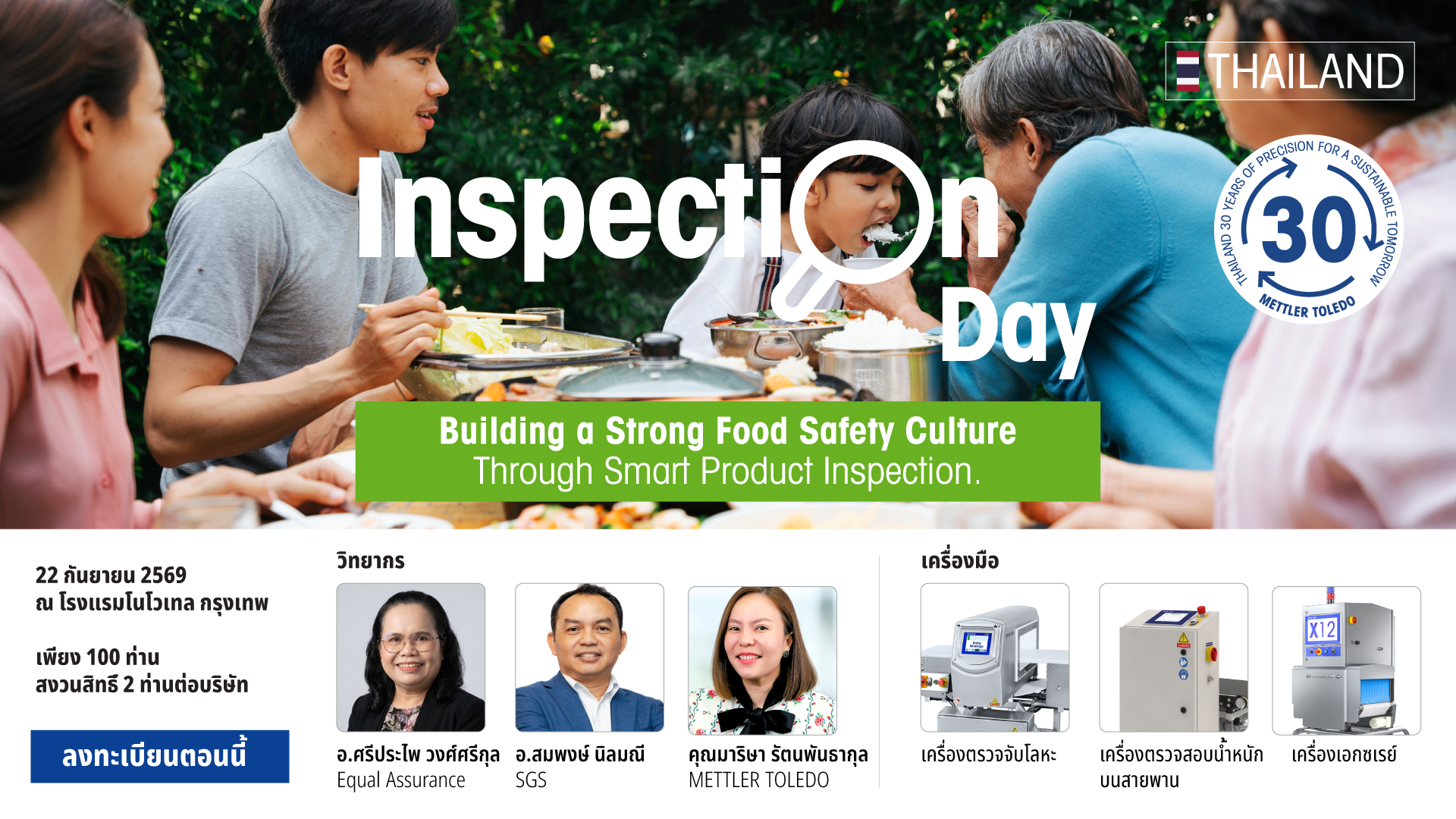
สร้างความมั่นใจในทุกการตรวจสอบผลิตภัณฑ์อาหารพร้อมปกป้องแบรนด์จากความเสี่ยง ด้วยโซลูชันจาก METTLER TOLEDO

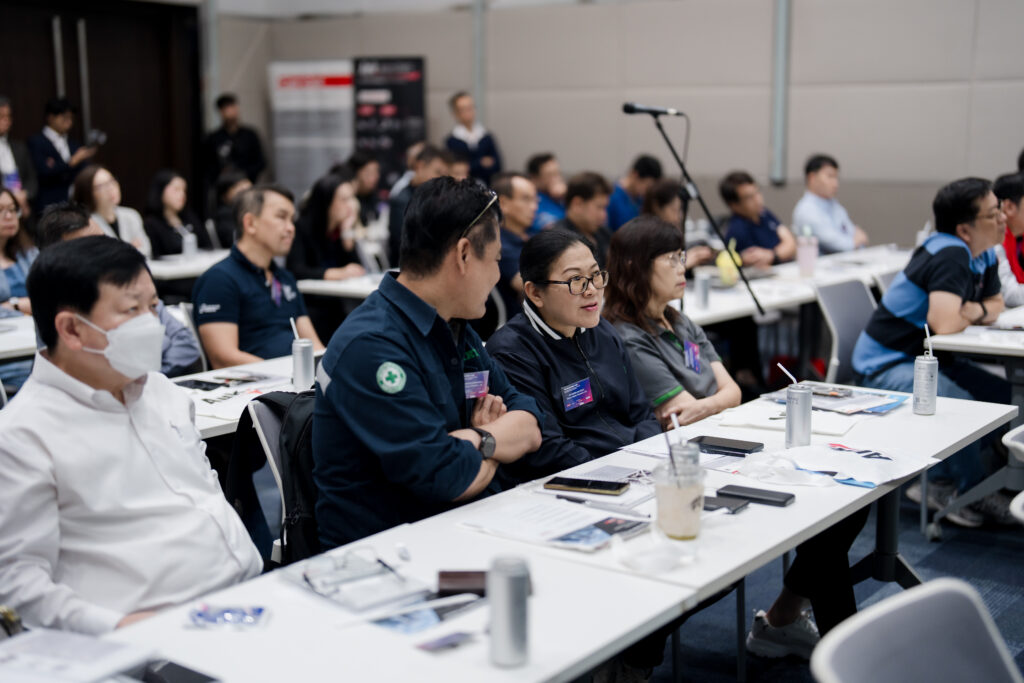
เมื่อวันพุธที่ 25 มีนาคม พ.ศ. 2569 บริษัท เมทเล่อร์-โทเลโด(ประเทศไทย) จำกัด ได้จัดงานสัมมนาในหัวข้อ “สร้างความมั่นใจในทุกการตรวจสอบผลิตภัณฑ์อาหาร ปกป้องแบรนด์จากความเสี่ยง” ณ โรงแรมราชบุระ จังหวัดราชบุรี โดยบรรยากาศภายในงานนั้นเต็มไปด้วยการแลกเปลี่ยนความรู้และเทคนิคเชิงลึกที่เกี่ยวข้องกับระบบตรวจสอบผลิตภัณฑ์อาหาร ซึ่งมีบทบาทสำคัญต่อการยกระดับมาตรฐานคุณภาพและความปลอดภัยของกระบวนการผลิต

นอกจากนี้ ภายในงานผู้เข้าร่วมสัมมนายังได้เรียนรู้และทำความเข้าใจเกี่ยวกับหลักการทำงานของเครื่องมือต่างๆ    จากบริษัทฯ เพื่อนำไปประยุกต์ใช้ในโรงงานได้อย่างมีประสิทธิภาพสูงสุด ได้แก่ เครื่องตรวจจับโลหะ (Metal Detection) เครื่องเอกซเรย์ (X-ray Inspection) และเครื่องชั่งบนสายพาน (Checkweigher)

มากกว่าความรู้ คือการได้ “สัมผัสจริง” และ “คำปรึกษาจากผู้เชี่ยวชาญ”

หนึ่งในกิจกรรมสำคัญที่สร้างความประทับใจแก่ผู้เข้าร่วมสัมมนา คือ การสาธิตการทำงานของเครื่องตรวจสอบคุณภาพ ซึ่งช่วยให้ผู้เข้าร่วมงานได้เห็นทั้งลักษณะการใช้งานจริงและความสามารถในการตรวจจับที่ตอบโจทย์สำหรับโรงงานอาหารโดยเฉพาะ

นอกจากนี้ ยังมีช่วง Q&A ที่เปิดโอกาสให้ถาม-ตอบ แชร์ประสบการณ์ หรือปัญหาที่เกิดขึ้นจริงกับทีมวิศวกรฝ่ายขายและฝ่ายบริการผู้เชี่ยวชาญของบริษัทฯ ซึ่งช่วยคลายข้อสงสัยและสามารถนำแนวทางไปปรับใช้ในโรงงานได้ทันที เรียกว่าได้ความรู้แบบครบองค์เพื่อนำไปต่อยอดแบรนด์ให้แข็งแกร่งและมีความน่าเชื่อถือยิ่งขึ้น


METTLER TOLEDO ขอขอบคุณผู้เข้าร่วมสัมมนาทุกท่านที่ร่วมสร้างสังคมแห่งการเรียนรู้ร่วมกัน ทั้งนี้ ในเดือนพฤษภาคม พ.ศ. 2569 บริษัทฯ มีกำหนดจัดสัมมนา ณ จังหวัดสมุทรสาคร ในหัวข้อที่เกี่ยวข้องกับระบบตรวจสอบผลิตภัณฑ์อาหาร เพื่อสะท้อนถึงความเชี่ยวชาญและประสบการณ์ด้านเทคโนโลยีการตรวจสอบที่สั่งสมมายาวนานกว่า 30 ปี

สำหรับผู้ที่ปฏิบัติงานในสายการผลิต การประกันคุณภาพ (QA/QC) การควบคุมคุณภาพ (QC) หรือผู้ที่มีความสนใจในระบบตรวจสอบผลิตภัณฑ์อาหาร ไม่ว่าจะสังกัดหน่วยงานใด และอยู่ในจังหวัดสมุทรสาครหรือพื้นที่ใกล้เคียง สามารถติดต่อเพื่อลงทะเบียนล่วงหน้าได้ผ่านช่องทาง LINE Official Account: @mtth เว็บไซต์ www.mt.com/webinars โทรศัพท์ 0 2723 0300 หรือสามารถติดตามรายละเอียดเพิ่มเติมได้จาก Food Focus Thailand

FOOMA JAPAN 2026: A Global Platform for Food Processing Innovation and Technology

FOOMA JAPAN 2026: เวทีนวัตกรรมและเทคโนโลยีการแปรรูปอาหารระดับโลก

           สัมผัสประสบการณ์แห่งการเปลี่ยนแปลงกับ FOOMA JAPAN 2026 งานแสดงเทคโนโลยีการแปรรูปอาหารระดับโลก ซึ่งจะจัดขึ้นระหว่างวันที่ 2–5 มิถุนายน พ.ศ. 2569 ณ ศูนย์นิทรรศการ Tokyo Big Sight กรุงโตเกียว ประเทศญี่ปุ่น ภายใต้ธีม “The Shift is On.” ที่สะท้อนถึงการเป็น “จุดเริ่มต้นแห่งการเปลี่ยนแปลง” ของอุตสาหกรรมแปรรูปอาหารในยุคใหม่

           FOOMA JAPAN ถือเป็นหนึ่งในงานแสดงสินค้าอุตสาหกรรมอาหารที่ยิ่งใหญ่และครบวงจรที่สุดในโลก ซึ่งรวบรวมเทคโนโลยีและนวัตกรรมที่เกี่ยวข้องกับกระบวนการผลิตอาหารไว้อย่างครอบคลุม ตั้งแต่เครื่องจักรแปรรูปอาหาร ระบบการผลิต เครื่องจักรบรรจุภัณฑ์ อุปกรณ์แช่แข็งและทำความเย็น เทคโนโลยีตรวจจับและกำจัดสิ่งแปลกปลอม ไปจนถึงระบบจัดการของเสียในโรงงานอาหาร ความน่าสนใจนี้จะทำให้งาน FOOMA JAPAN แตกต่างจากงานแสดงสินค้าอื่นๆ

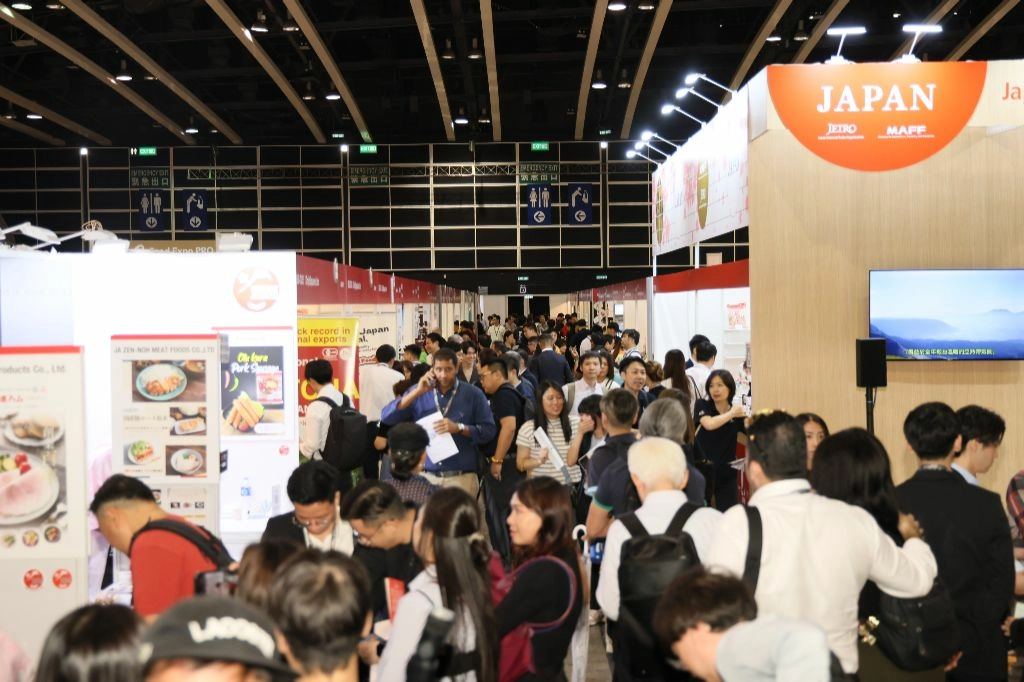
           ในแต่ละปี งานนี้ได้รับความสนใจจากผู้ประกอบการและผู้เชี่ยวชาญในอุตสาหกรรมอาหารจากทั่วโลก โดยมีผู้แสดงสินค้าประมาณ 1,000 บริษัท และมีผลิตภัณฑ์รวมกว่า 7,000 รายการ พร้อมดึงดูดผู้เข้าชมงานมากกว่า 110,000 คนภายในระยะเวลาเพียง 4 วัน บรรยากาศภายในงานเต็มไปด้วยการจัดแสดงเครื่องจักรและเทคโนโลยีล้ำสมัยในพื้นที่จัดแสดงขนาดใหญ่ ซึ่งสะท้อนถึงศักยภาพและทิศทางของอุตสาหกรรมอาหารในอนาคต


           หนึ่งในจุดเด่นสำคัญของ FOOMA JAPAN คือการนำเสนอเทคโนโลยีเครื่องจักรแปรรูปอาหารจากประเทศญี่ปุ่น ซึ่งได้รับการยอมรับในระดับสากลด้านคุณภาพ ความทนทาน และความแม่นยำสูง เครื่องจักรเหล่านี้จะช่วยลดการหยุดชะงักในกระบวนการผลิต เพิ่มประสิทธิภาพการทำงาน และลดต้นทุนด้านแรงงานผ่านระบบอัตโนมัติขั้นสูง อีกทั้งยังได้รับการออกแบบให้สอดคล้องกับมาตรฐานสุขอนามัยที่เข้มงวด และสามารถปรับแต่งตามความต้องการของผู้ผลิตอาหารในแต่ละประเทศได้อย่างยืดหยุ่น

           นอกจากนี้ FOOMA JAPAN 2026 ยังเป็นเวทีสำคัญในการนำเสนอนวัตกรรมแห่งอนาคต โดยเฉพาะในด้าน Robotics, Internet of Things (IoT) และ Food Technology ซึ่งมีบทบาทสำคัญต่อการเปลี่ยนแปลงอุตสาหกรรมอาหารในยุคดิจิทัล ภายในงานมีโซนพิเศษ เช่น “Innovation Hub” ที่รวบรวมเทคโนโลยีล้ำสมัย และ “Startup Zone” ที่เปิดโอกาสให้สตาร์ทอัปกว่า 30 รายได้นำเสนอแนวคิดและนวัตกรรมใหม่ๆ รวมถึง “Academic Plaza” ที่เป็นพื้นที่สำหรับนักวิจัยและสถาบันการศึกษาจากทั่วโลกในการเผยแพร่ผลงานวิจัยด้านอาหารและเทคโนโลยีแห่งอนาคต


           ในมิติของความเป็นสากล FOOMA JAPAN ยังคงได้รับความสนใจจากผู้เข้าชมจากนานาประเทศอย่างต่อเนื่อง โดยในปีที่ผ่านมา มีผู้เข้าร่วมงานจากกว่า 60 ประเทศทั่วโลก รวมถึงคณะผู้แทนจากประเทศกำลังพัฒนาและประเทศเศรษฐกิจเกิดใหม่ที่เข้ามาเพื่อศึกษาและนำเทคโนโลยีไปประยุกต์ใช้ในอุตสาหกรรมของตนเอง โดยเฉพาะเทคโนโลยีการผลิตอาหารญี่ปุ่น เช่น เครื่องทำซูชิและข้าวปั้นอัตโนมัติ เครื่องผลิตเส้นราเมน และระบบการผลิตเครื่องปรุงรสแบบดั้งเดิม

           อีกหนึ่งไฮไลต์สำคัญของงานคือ การจัดสัมมนาและกิจกรรมให้ความรู้ที่มุ่งเน้นตลาดต่างประเทศ เพื่อสนับสนุนการขยายธุรกิจของผู้ประกอบการอาหาร โดยในปี พ.ศ. 2569 จะมีการนำเสนอข้อมูลเชิงลึกเกี่ยวกับตลาดอินเดีย ซึ่งเป็นหนึ่งในตลาดที่มีศักยภาพสูง โดยสถานเอกอัครราชทูตอินเดียประจำประเทศญี่ปุ่น

           FOOMA JAPAN 2026 ไม่เพียงเป็นเวทีแสดงสินค้า แต่ยังเป็นศูนย์กลางของการแลกเปลี่ยนความรู้ การสร้างเครือข่ายทางธุรกิจ และการค้นหาโอกาสใหม่ๆ ในอุตสาหกรรมอาหารระดับโลก ผู้ที่สนใจสามารถลงทะเบียนเข้าร่วมงานได้ตั้งแต่วันที่ 1 เมษายน พ.ศ. 2569 เป็นต้นไป


           Experience transformation at FOOMA JAPAN 2026, the world’s leading food processing technology exhibition, held from June 2–5, 2026, at Tokyo Big Sight in Tokyo, Japan. Under the theme “The Shift is On.”, the event positions itself as a “starting point of change,” driving the future of the global food processing industry.

           FOOMA JAPAN is recognized as one of the most comprehensive and largest food industry exhibitions in the world. It brings together a full spectrum of technologies and solutions across the entire food production value chain. Exhibits range from food processing machinery and manufacturing systems to packaging equipment, refrigeration and freezing technologies, foreign object detection systems, and waste management solutions. This all-in-one concept distinguishes FOOMA JAPAN from many other international exhibitions that typically focus on specific segments.

           Each year, the event attracts strong participation from industry professionals worldwide. Approximately 1,000 companies exhibit, showcasing more than 7,000 products and solutions. Over the course of four days, the exhibition welcomes more than 110,000 visitors, creating a vibrant environment filled with cutting-edge machinery and innovations displayed across the expansive halls of Tokyo Big Sight.

           A major highlight of FOOMA JAPAN is the global reputation of Japanese food processing machinery. Known for its exceptional quality, durability, and precision, Japanese technology plays a critical role in ensuring stable production with minimal downtime. Advanced automation systems help improve productivity and reduce labor costs, while strict hygiene standards ensure food safety and compliance. Additionally, many manufacturers offer highly customizable solutions tailored to meet the specific needs of different food cultures and markets around the world.


           FOOMA JAPAN 2026 also serves as a key platform for innovation, particularly in areas such as robotics, the Internet of Things (IoT), and food technology (Food Tech). Dedicated zones such as the “Innovation Hub” highlight cutting-edge developments, while the “Startup Zone” features over 30 emerging companies presenting new ideas and disruptive technologies. The “Academic Plaza” provides a space for universities and research institutions to showcase the latest advancements in food science and future technologies.

           The exhibition continues to expand its international reach, attracting visitors from over 60 countries. Many international participants attend specifically to explore advanced solutions for producing Japanese food products, such as automated sushi and onigiri machines, ramen noodle production equipment, and integrated systems for traditional seasonings like soy sauce and miso. Delegations from developing and emerging economies also participate to identify opportunities for adopting Japanese technologies and fostering industrial collaboration.

           Another key feature of FOOMA JAPAN 2026 is its lineup of seminars and knowledge-sharing sessions focused on global markets. These sessions aim to support business expansion for food manufacturers. In 2026, a special seminar hosted by the Embassy of India in Japan will provide valuable insights into the Indian market, one of the fastest-growing and most promising markets in the global food industry.

           More than just an exhibition, FOOMA JAPAN 2026 is a hub for innovation, collaboration, and opportunity. It offers attendees the chance to stay ahead of industry trends, connect with global leaders, and discover new pathways for growth in the evolving food sector. Registration for the event opens on April 1, 2026.

Continue reading “FOOMA JAPAN 2026: A Global Platform for Food Processing Innovation and Technology”

NSF Launches Retail Food Safety Audits Across ASEAN

           NSF, a leading global public health and safety organization, has announced the launch of its Retail Food Safety Audits program across the ASEAN region supporting restaurants, food service operators, hospitality businesses and retail food outlets in strengthening food safety performance and consumer trust.

           The program provides a clear, practical framework aligned with the NSF Food Safety Checklist, focusing on the most critical food safety risks in retail food environments. Designed to support continuous improvement, it helps businesses implement consistent, reliable food safety practices across single or multiple locations.

           To meet varying operational needs, the program offers three scalable audit solutions—NSF Food Safety Essentials, NSF Food Safety Plus, and NSF Food Safety Advanced—supporting food businesses of all sizes, from individual outlets to complex, multi-site operations.


 A Scalable, Independent Retail Food Safety Audit Program

           The NSF Retail Food Safety Audits program is an independent, third-party audit solution developed using decades of NSF food outlet auditing expertise. It helps food businesses:

– Improve food safety compliance

– Reduce operational and brand risk

– Strengthen consistency across locations

– Build customer confidence and trust


 NSF Food Safety Badge: A Visible Symbol of Trust

           Businesses that successfully meet NSF Food Safety criteria may opt to display the officialNSF Food Safety badge on-site.

Benefits of Badge Display

– Demonstrates a strong commitment to food safety

– Builds customer confidence and peace of mind

– Enhances brand credibility and dining experience

– Allows customers to scan a QR code linking to NSF for program verification

           Participating businesses receive a detailed audit report outlining findings, improvement opportunities and recommendations.


 First Retail Food Safety Essentials Achievements in Asia-Pacific

           In November 2025, Nadimos Lebanese Restaurant (Silom, Thailand) became the first food outlet in the world to earn the NSF Food Safety Essentials Retail Audit badge. The recognition followed a successful audit conducted using the NSF Food Safety Checklist, confirming strong food safety practices and risk management.

           In December 2025, Cheese Coffee Lê Đại Hành (LDH) and Cheese Coffee Xuân Thuỷ (XT HN), two branches of Cheese Coffee, a well-known coffee chain in Hanoi, Vietnam, became the first café in the country to achieve the NSF Food Safety Essentials Retail Audit badge. The brand is recognized for its European-style service and offerings including coffee, tea and pastries.

           These milestones demonstrate a strong commitment to food safety and set a benchmark for restaurants, cafés and retail food businesses across the region seeking to enhance operational safety and customer trust.


Learn More

           Discover how NSF Retail Food Safety Audits can support your business and learn how to participate at: Food safety essentials – Food safety audits the NSF way | NSF


 NSF เปิดตัวโครงการตรวจประเมินความปลอดภัยอาหารสำหรับธุรกิจค้าปลีกทั่วภูมิภาคอาเซียน

           NSF องค์กรชั้นนำระดับโลกด้านสาธารณสุขและความปลอดภัย ประกาศเปิดตัวบริการ Retail Food Safety Audits ทั่วภูมิภาคอาเซียน เพื่อสนับสนุนร้านอาหาร ผู้ประกอบการธุรกิจอาหารและเครื่องดื่ม ธุรกิจโรงแรมและการบริการ รวมถึงร้านค้าปลีกอาหาร ในการยกระดับประสิทธิภาพด้านความปลอดภัยอาหารและเสริมสร้างความเชื่อมั่นของผู้บริโภค

           โครงการนี้นำเสนอกรอบการดำเนินงานที่ชัดเจนและสามารถนำไปปฏิบัติได้จริง โดยสอดคล้องกับ NSF Food Safety Checklist และมุ่งเน้นไปที่ความเสี่ยงด้านความปลอดภัยอาหารที่สำคัญที่สุดในสภาพแวดล้อมของธุรกิจอาหารค้าปลีก ออกแบบมาเพื่อสนับสนุนการพัฒนาอย่างต่อเนื่อง ช่วยให้ธุรกิจสามารถนำแนวปฏิบัติด้านความปลอดภัยอาหารที่สม่ำเสมอและน่าเชื่อถือได้ไปใช้ได้ทั้งในสาขาเดียวหรือหลายสาขาพร้อมกัน

           เพื่อตอบโจทย์ความต้องการด้านการดำเนินงานที่หลากหลาย โครงการนี้มีบริการตรวจประเมินที่ปรับขยายได้ 3 ระดับ ได้แก่ NSF Food Safety Essentials, NSF Food Safety Plus และ NSF Food Safety Advanced รองรับธุรกิจอาหารทุกขนาด ตั้งแต่ร้านเดี่ยวไปจนถึงการดำเนินงานที่ซับซ้อนในหลายสาขา


 โครงการตรวจประเมินความปลอดภัยอาหารค้าปลีกที่ปรับขยายได้และเป็นอิสระ

           โครงการ NSF Retail Food Safety Audits เป็นการตรวจประเมินโดยบุคคลที่สาม (Third-Party Audit) อย่างอิสระ พัฒนาขึ้นจากประสบการณ์หลายทศวรรษของ NSF ในการตรวจประเมินร้านอาหารและธุรกิจค้าปลีกอาหาร ช่วยให้ธุรกิจอาหารสามารถ:

– ปรับปรุงการปฏิบัติตามข้อกำหนดด้านความปลอดภัยอาหาร

– ลดความเสี่ยงในการดำเนินงานและภาพลักษณ์ของแบรนด์

– สร้างความสม่ำเสมอของมาตรฐานในทุกสาขา

– สร้างความเชื่อมั่นและความไว้วางใจให้กับลูกค้า

Continue reading “NSF Launches Retail Food Safety Audits Across ASEAN”

UPF กับ โรค NCDs: ทางออกของอุตสาหกรรมอาหารไทยบนฐานวิทยาศาสตร์และความยั่งยืน

           ในปัจจุบัน สังคมไทยกำลังเผชิญกับความท้าทายด้านสุขภาพที่สำคัญ โดยเฉพาะการแพร่ระบาดของโรคไม่ติดต่อเรื้อรัง (NCDs) ซึ่งมีความเกี่ยวข้องอย่างใกล้ชิดกับพฤติกรรมการบริโภคอาหารที่เปลี่ยนไปตามวิถีชีวิตสมัยใหม่ ข้อมูลจากแหล่งข้อมูลระบุว่าสัดส่วนการกินอาหารของคนไทยในปัจจุบันประกอบด้วยอาหารธรรมชาติหรือปรุงจากวัตถุดิบสดร้อยละ 40-50 อาหารแปรรูป (Processed Food) ร้อยละ 20-30 และอาหารแปรรูปขั้นสูง (Ultra-Processed Food; UPF) ร้อยละ 15-30 ซึ่งแม้จะยังน้อยกว่าชาวอเมริกันที่บริโภค UPF สูงถึงร้อยละ 50-60 แต่แนวโน้มนี้กำลังสร้างผลกระทบต่อสุขภาวะของประชากรอย่างมีนัยสำคัญ


ระบบการจำแนกประเภทอาหาร (NOVA Classification)

           เพื่อสร้างความเข้าใจร่วมกันในเชิงวิทยาศาสตร์ ระบบการจำแนกอาหารที่เรียกว่า NOVA Classification จึงถูกนำมาใช้ในการแบ่งระดับการแปรรูปอาหารออกเป็น 4 กลุ่มหลัก ได้แก่

– กลุ่มที่ 1: อาหารที่ไม่แปรรูป หรือแปรรูปน้อย (Unprocessed/Minimally Processed Foods) เช่น เนื้อสัตว์สด ผักผลไม้ ไข่ นมสด และธัญพืช ซึ่งผ่านเพียงการตัดแต่ง แช่เย็น หรืออบแห้ง โดยไม่เติมสารอื่นๆ

– กลุ่มที่ 2: เครื่องปรุงที่ได้จากการแปรรูป (Processed Culinary Ingredients) เช่น น้ำมันพืช เนย น้ำตาล และเกลือ เพื่อใช้ในการปรุงอาหารกลุ่มที่ 1

– กลุ่มที่ 3: อาหารแปรรูป (Processed Foods) เป็นการนำอาหารกลุ่มที่ 1 ผสมกับกลุ่มที่ 2 เช่น ผักผลไม้กระป๋อง เนื้อสัตว์รมควัน หรือขนมปังที่ผลิตด้วยกระบวนการดั้งเดิม

– กลุ่มที่ 4: อาหารแปรรูปขั้นสูง (Ultra-Processed Foods; UPF) คือผลิตภัณฑ์ที่ผ่านกระบวนการทางอุตสาหกรรมหลายขั้นตอน มักมีส่วนผสมที่ไม่พบในครัวเรือนทั่วไป เช่น สารสกัดโปรตีน (Protein Isolates) สารให้ความหวาน สารแต่งสี กลิ่น และสารคงตัว (Emulsifiers) ตัวอย่างเช่น ขนมขบเคี้ยว น้ำอัดลม อาหารแช่แข็งพร้อมทาน และผลิตภัณฑ์เนื้อสัตว์แปรรูป เป็นต้น


วิกฤตสุขภาพ: “The Perfect Storm” และกลไกทางชีววิทยา

           สาเหตุที่ UPF ส่งผลเสียต่อสุขภาพนั้นไม่ได้เกิดจากสารอาหารเพียงอย่างเดียว แต่เกิดจากสิ่งที่เรียกว่า “The Perfect Storm” หรือสมการสู่วิกฤตสุขภาพ ซึ่งประกอบด้วย

– ระบบเดิม (Old Wiring): สมองของมนุษย์ถูกวิวัฒนาการมาให้ชอบรสหวาน มัน และเค็ม เพื่อสะสมพลังงานให้รอดชีวิตในยุคขาดแคลน

– ตัวแปรใหม่ (New Environment): การพัฒนาอาหาร UPF ที่ถูกออกแบบมาให้ “อร่อยถูกปากจนหยุดไม่ได้” (Hyper-Palatable) อีกทั้งยังมีราคาย่อมเยา เข้าถึงง่าย และตอบสนองวิถีชีวิตที่ขยับตัวน้อยลง

– ผลลัพธ์: นำไปสู่พฤติกรรมการบริโภคเกินแบบเรื้อรัง (Chronic Overeating)


           ในเชิงลึก อาหารเหล่านี้ส่งผลต่อระบบประสาทโดยการกระตุ้นการหลั่งโดพามีนในระดับสูง ซึ่งหากบริโภคต่อเนื่องจะทำให้เกิดสภาวะ Receptor Down Regulation หรือตัวรับโดพามีนลดลง ส่งผลให้เกิดอาการ “ดื้อ” (Tolerance) ทำให้ร่างกายต้องการบริโภค UPF ในปริมาณที่มากขึ้นหรือรสชาติที่จัดจ้านขึ้นเพื่อให้ได้ความรู้สึกมีความสุขเท่าเดิม นอกจากนี้ การศึกษาจากวารสารทางการแพทย์ชั้นนำอย่าง The Lancet ยังชี้ให้เห็นว่า UPF ก่อให้เกิดผลกระทบ “Beyond Nutrients” หรือผลเสียที่นอกเหนือจากปริมาณสารอาหาร ได้แก่

– การทำลายโครงสร้างอาหาร (Food Matrix): ทำให้การย่อยและดูดซึมเร็วเกินไป ส่งผลต่อระดับน้ำตาลในเลือด

– การใช้วัตถุเจือปนอาหาร: วัตถุกันเสียหรือสีผสมอาหารบางชนิดอาจรบกวนระบบจุลินทรีย์ในลำไส้ (Gut Microbiome)

– ความเร็วในการบริโภค: อาหาร UPF มักรับประทานได้ง่ายและรวดเร็ว ส่งผลให้สัญญาณความอิ่มจากลำไส้ยังไม่ทันส่งไปถึงสมองอย่างเต็มที่


อาหาร UPF กับข้อถกเถียงและข้อจำกัดของระบบ NOVA

           แม้ระบบ NOVA จะเป็นที่นิยม แต่ในเชิงวิทยาศาสตร์และอุตสาหกรรมยังมีข้อโต้แย้งสำคัญ โดยมองว่า NOVA อาจเป็นเพียง “Symbolism” หรือสัญลักษณ์ที่ขาดความชัดเจนในบางมิติ อาทิ

1. ไม่สะท้อนถึงคุณภาพทางโภชนาการ: การจำแนกตามระดับการแปรรูปอาจทำให้กลุ่มอาหารที่มีสารอาหารต่างกันถูกจัดอยู่ในกลุ่มเดียวกัน เช่น ขนมปังโฮลวีตที่เสริมสารอาหาร (Fortified) กับน้ำอัดลม ทั้งคู่ถูกจัดเป็น UPF แม้จะมีคุณประโยชน์ต่างกันมาก

2. ความเข้าใจผิดเรื่องความปลอดภัย: การแปรรูปอาหารมีวัตถุประสงค์หลัก 4 ประการ คือ เพื่อความปลอดภัย (Safety) ยืดอายุการเก็บรักษา (Preservation) ความสะดวก (Convenience) และการเพิ่มคุณค่าทางโภชนาการ (Fortification) ดังนั้น การโจมตีเรื่องการแปรรูปเพียงอย่างเดียวอาจทำให้ละเลยถึงข้อดีเหล่านี้

3. ความย้อนแย้งของอาหารสุขภาพ: อาหารบางชนิดที่ได้รับตรา “Non-UPF Verified” อาจไม่ได้มีสุขภาพดีเสมอไป เช่น พิซซ่าหรือซุปกระป๋องบางยี่ห้อที่แม้จะใช้ส่วนผสมธรรมชาติ แต่ก็ยังมีโซเดียมหรือไขมันอิ่มตัวสูงมาก


           ในระดับสากล องค์กรระดับโลกอย่าง WHO และหน่วยงานอย่าง Codex กำลังเร่งพัฒนาแนวทางการบริโภค UPF และกำหนดนิยามที่เป็นมาตรฐานสากลภายในปี พ.ศ. 2569 เพื่อให้แต่ละประเทศนำไปปรับใช้ในคู่มือการบริโภคอาหาร (Food-Based Dietary Guidelines; FBDG) ของตนเอง

แนวทางร่วมกันเพื่อสังคมไทย: จากวิทยาศาสตร์สู่การปฏิบัติ

เพื่อให้สังคมไทยก้าวข้ามวิกฤต NCDs ได้อย่างยั่งยืน แหล่งข้อมูลได้นำเสนอแนวทางแบบองค์รวมที่เรียกว่า “สมการแบบองค์รวมเพื่อสุขภาพในโลกยุคใหม่” ซึ่งประกอบด้วย 3 เสาหลัก ดังนี้

1. การปรับสูตร (Reformulation): ภาคอุตสาหกรรมต้องรับผิดชอบในการซ่อมแซม Food Matrix และปรับปรุงคุณภาพโภชนาการ เช่น ลดพลังงาน เพิ่มไฟเบอร์ และใช้เทคโนโลยีใหม่ๆ ในการผลิต เป็นต้น

2. การเปลี่ยนสภาพแวดล้อม (Environment Change): การใช้นโยบายภาครัฐ เช่น ภาษี HFSS (ภาษีที่เรียกเก็บจากอาหารที่มีน้ำตาล ไขมัน และโซเดียมสูง) การติดฉลากหน้าบรรจุภัณฑ์ (Front-of-pack Labeling) และการจำกัดการตลาดสำหรับเด็ก

3. การให้ความรู้ (Knowledge & Nudges): มุ่งเน้นการปรับพฤติกรรมในหน่วยบริโภคที่เล็กลง (Portion control) และการสร้างความเข้าใจที่ถูกต้อง


กรณีศึกษา: นวัตกรรมอาหารที่สอดคล้องกับหลักชีววิทยา

           การสร้างสรรค์นวัตกรรมอาหารถือเป็นกุญแจสำคัญอีกประการหนึ่ง แทนที่จะมุ่งจำกัดหรือบังคับให้ผู้บริโภคเลิกรับประทานสิ่งที่ชื่นชอบ ควรเปลี่ยนแนวคิดมาเป็นการ “ออกแบบสิ่งที่ชอบให้สอดคล้องกับการทำงานของสมองและระบบเมตาบอลิซึม” เพื่อให้ทั้งความอร่อยและสุขภาพสามารถไปด้วยกันได้ เช่น

– ข้าวบุก (Konjac Rice): การผสมบุกในข้าวเพื่อเพิ่มใยอาหารและลดพลังงาน แต่ยังคงรักษาสัมผัสของการรับประทานข้าวไว้ ซึ่งทำให้ผู้บริโภคมีความสุขและอิ่มท้องนานขึ้น

– เส้นไข่ขาว (Egg White Noodles): การปรับเปลี่ยน Macronutrient ให้เป็นโปรตีนสูงและคาร์โบไฮเดรตต่ำ ตอบโจทย์ผู้ที่ต้องควบคุมน้ำตาลหรือผู้ป่วยโรคไต


บทสรุปเรื่อง UPF สำหรับสังคมไทย

           การจัดการปัญหา UPF และ NCDs ไม่ใช่การเลือกข้างระหว่าง “การไม่แปรรูป” กับ “อุตสาหกรรม” แต่เป็นการหาจุดร่วมบนพื้นฐานของวิทยาศาสตร์ โดยต้องมองอย่างรอบด้าน (Holistic Approach) พิจารณาทั้ง องค์ประกอบทางโภชนาการ ปริมาณการบริโภค และบริบทของอาหารโดยรวม ซึ่งหัวใจสำคัญของการเปลี่ยนแปลงคือการนำหลัก Lifestyle Medicine (LM) มาใช้ผ่านการ Coaching ทั้ง 6 เสาหลัก ได้แก่ โภชนาการ การเคลื่อนไหว การนอน การจัดการความเครียด การลดความเสี่ยง และการมีปฏิสัมพันธ์ทางสังคม โดยเปลี่ยนจากการสื่อสารด้วย “ความกลัว” ที่อาจก่อให้เกิดแรงต้าน มาเป็นการสร้าง “ทางเลือกที่อร่อย สะดวก และดีต่อสุขภาพ” ให้กลายเป็นค่าเริ่มต้น (Default) ของสังคม เพื่อยกระดับช่วงชีวิตที่มีสุขภาพดีของคนไทยอย่างยั่งยืน


           ขอบคุณข้อมูลจากงานสัมมนา Ultra-Processed Food กับ NCDs: ความเข้าใจบนพื้นฐานวิทยาศาสตร์ สู่แนวทางร่วมกันเพื่อประโยชน์ของสังคมไทย” จัดโดย FoSTAT เมื่อวันอังคารที่ 24 มีนาคม พ.ศ. 2569 ณ ห้องออดิทอเรียม ชั้น 16 อาคารซีพี ออลล์ อคาเดมี สถาบันการจัดการปัญญาภิวัฒน์

เมทเล่อร์-โทเลโด คว้าคะแนนสูงสุดระดับ “A” จาก CDP ประจำปี พ.ศ. 2568 ตอกย้ำความเป็นผู้นำด้านการบริหารจัดการการเปลี่ยนแปลงสภาพภูมิอากาศระดับสากล

             เมทเล่อร์-โทเลโด ประกาศความสำเร็จครั้งสำคัญจากการได้รับคะแนนการประเมินด้านการดำเนินการต่อการเปลี่ยนแปลงสภาพภูมิอากาศ (Climate Action) ประจำปี พ.ศ. 2568 จากองค์กร CDP (Carbon Disclosure Project) ในระดับ “A” ซึ่งเป็นระดับสูงสุดเป็นครั้งแรก โดยความสำเร็จในครั้งนี้ถือเป็นการยอมรับในความมุ่งมั่นขององค์กรด้านการเปิดเผยข้อมูลสภาพภูมิอากาศอย่างโปร่งใส และความพยายามอย่างต่อเนื่องในการลดการปล่อยก๊าซเรือนกระจกอย่างเป็นรูปธรรม

             CDP (Carbon Disclosure Project) เป็นองค์กรไม่แสวงหากำไรระดับนานาชาติที่มุ่งเน้นการส่งเสริมความโปร่งใสด้านสิ่งแวดล้อมสำหรับภาคธุรกิจและหน่วยงานต่างๆ ทั่วโลก โดยจากการประเมินบริษัทกว่า 22,100 แห่งทั่วโลกในปี พ.ศ. 2568 ซึ่งมีเพียงประมาณร้อยละ 4 เท่านั้นที่ได้รับคัดเลือกให้อยู่ในกลุ่ม “A List” ซึ่งผลการประเมินของ CDP ถือเป็นดัชนีชี้วัดที่ได้รับความเชื่อถืออย่างสูงจากทั้งกลุ่มลูกค้าและนักลงทุนทั่วโลก


             การได้รับการคัดเลือกให้อยู่ในกลุ่ม “Climate A List” สะท้อนถึงความก้าวหน้าอย่างเป็นรูปธรรมของเมทเล่อร์-โทเลโดในการดำเนินงานด้านสิ่งแวดล้อมจนถึงปัจจุบัน อย่างไรก็ตาม องค์กรยังคงให้ความสำคัญกับการพัฒนาและยกระดับการดำเนินงานอย่างต่อเนื่อง เพื่อรักษามาตรฐานในระดับสูงดังกล่าว พร้อมทั้งมุ่งมั่นลดการปล่อยก๊าซเรือนกระจกเพิ่มเติมอย่างเป็นระบบ เพื่อบรรลุเป้าหมายการลดการปล่อยก๊าซเรือนกระจกตามหลักการทางวิทยาศาสตร์ (Science-based Targets) ภายในปี พ.ศ. 2573

             เพื่อให้บรรลุวัตถุประสงค์ดังกล่าว เมทเล่อร์-โทเลโด จึงมุ่งเน้นในการพัฒนาใน 3 ด้านหลักอย่างต่อเนื่อง ได้แก่

– การเปลี่ยนผ่านไปสู่กลุ่มรถยนต์นั่งส่วนบุคคลแบบไฟฟ้า (EV) และการจัดหาพลังงานหมุนเวียน 100%

– การใช้วัสดุที่ปล่อยมลพิษต่ำสำหรับผลิตภัณฑ์ของบริษัทฯ (เช่น โลหะที่ปล่อยมลพิษต่ำ)

– การเพิ่มประสิทธิภาพการใช้พลังงานของผลิตภัณฑ์ เพื่อลดการใช้พลังงานไฟฟ้าของผู้ใช้งาน

             นอกจากแผนงานในระดับโครงสร้างแล้ว เมทเล่อร์-โทเลโด ยังส่งเสริมให้บุคลากรทุกคนมีส่วนร่วมในการขับเคลื่อนองค์กรสู่ความยั่งยืน ผ่านการลดการใช้พลังงานในที่ทำงาน การลดการเดินทางเพื่อธุรกิจที่เกินความจำเป็น และการหลีกเลี่ยงการขนส่งสินค้าทางอากาศในกรณีที่สามารถเลือกใช้วิธีการขนส่งประเภทอื่นที่ส่งผลกระทบต่อสิ่งแวดล้อมน้อยกว่า

             บริษัทฯ ขอขอบคุณพนักงานทุกท่านสำหรับความมุ่งมั่นและความทุ่มเทในการปฏิบัติตามแนวทางการลดการปล่อยก๊าซเรือนกระจก ซึ่งเป็นปัจจัยสำคัญที่ก่อให้เกิดความก้าวหน้าด้านการจัดการสภาพภูมิอากาศเป็นจริงได้ ด้วยพลังแห่งการทำงานร่วมกันเป็นหนึ่งเดียว (One Team) เพื่อก้าวไปข้างหน้าอย่างมั่นคง พร้อมสร้างวันพรุ่งนี้ที่ดีกว่า มีสุขภาวะที่ดีกว่า และปลอดภัยยิ่งขึ้นสำหรับทุกคน

             นิตยสารฟู้ด โฟกัส ไทยแลนด์ ขอแสดงความยินดีกับความสำเร็จอีกก้าวของเมทเล่อร์-โทเลโด มา ณ โอกาสนี้ หากท่านใดสนใจข้อมูลเพิ่มเติม สามารถเยี่ยมชมรายละเอียดเพิ่มเติมได้ที่ www.mt.com

Continue reading “เมทเล่อร์-โทเลโด คว้าคะแนนสูงสุดระดับ “A” จาก CDP ประจำปี พ.ศ. 2568 ตอกย้ำความเป็นผู้นำด้านการบริหารจัดการการเปลี่ยนแปลงสภาพภูมิอากาศระดับสากล”

World Obesity Day 2026: Eight Billion Reasons to Act, with Asia at a Turning Point

By:      Karel Thurman

            Portfolio Director

            BENEO


Across Asia, waistlines are expanding at a pace few would have predicted a generation ago. While obesity has been a growing global concern for decades, rates are now increasing rapidly across the Asia-Pacific region. Already today, more than 1 billion people are living with obesity1 and predictions show that by 2030, nearly 3 billion adults — about half of the adult population — will be overweight or obese2.


Asia is central to this shift. In China alone, more than 50% of adults are projected to be overweight or obese by 20303; and across Southeast Asia, rates have more than doubled in many countries over the past three decades4.


Childhood obesity is also climbing across the region, which is of particular concern given that excess weight in early life frequently persists into adulthood. UNICEF, WHO and the World Bank report continued increases in overweight prevalence among children in East and Southeast Asia5.


Being overweight or having obesity is a major risk factor for non-communicable diseases, including type-2 diabetes and heart disease. This is putting global health systems under increasing pressure. Therefore, prioritising prevention from the earliest years, and throughout all stages of life, has never been more important.


Highlighting the scale of the problem is the focus for this year’s World Obesity Day theme, taking place on 4th March, which centres on “8 billion reasons to act on obesity”. While this is far beyond the remit of any one industry to solve on their own, the food industry has a pivotal role to play. Ingredients suppliers such as BENEO, along with manufacturers, have a shared responsibility to help consumers manage their weight sustainably by creating new food and drink concepts that make behavioural changes easier for consumers.


Although GLP-1 therapies might be here to stay, many consumers continue to pursue weight management through natural approaches that may lead to more gradual weight loss but are considered more balanced. Either way, the need for high quality diets remains essential, and functional ingredients have a crucial role to play. Today, losing or maintaining weight is just one piece of the puzzle within a broader approach to living healthily, including fostering a healthy gut, contributing to metabolic and mental health or supporting good sleep. That’s where smart nutrition comes in and BENEO is well positioned with a broad toolbox of science-backed solutions that can support these sophisticated needs.


Providing additional benefits for each stage of the weight loss journey will be key to addressing the global issue of obesity. There is huge potential for manufacturers to reformulate or develop new concepts that support consumers in this regard by creating nutrient-dense foods that deliver improved nutritional profiles. Whether that’s products enriched with prebiotic fibre, plant-based proteins or low-glycaemic carbohydrates, there’s now a variety of ingredients within the weight management toolbox.


One thing is clear: consumer education is paramount in tackling the issue of obesity and highlighting the important role of healthy diets. This is particularly important to avoid the misunderstanding that weight loss drugs are an easy solution — especially given weight regain after discontinuation is a major risk if eating habits are not adapted.


The scale of Asia’s obesity challenge demands more than short-term fixes or reactive measures. It calls for collaboration across the value chain — from policymakers and healthcare professionals to manufacturers and ingredient suppliers — to ensure that healthier choices are not only available, but accessible, affordable and appealing.


With obesity rates across Asia continuing to rise, now is the time for decisive, preventive action. As an industry, we are equipped with the scientific knowledge, technological expertise and ingredient solutions to contribute meaningfully. The responsibility is shared, and it is one we must not shy away from.

Continue reading “World Obesity Day 2026: Eight Billion Reasons to Act, with Asia at a Turning Point”

Food & Hospitality Asia 2026: The Premier Platform for Food & Beverage and Hospitality Innovation

Food & Hospitality Asia (FHA), Asia’s leading international trade event for the food, hospitality, and HoReCa industries, is set to return from 21 to 24 April 2026 at the Singapore Expo. As the ultimate hub for connecting Asia’s food and hospitality sectors with global markets, FHA 2026 promises to deliver unparalleled opportunities for professionals and businesses to explore cutting-edge innovations, gain market insights, and forge valuable connections.


          Celebrating its 48th edition, FHA 2026 will welcome over 80,000 international attendees and feature more than 2,750 exhibitors from 115 countries and regions, making it a must-attend event for industry leaders, innovators, and decision-makers.

Continue reading “Food & Hospitality Asia 2026: The Premier Platform for Food & Beverage and Hospitality Innovation”

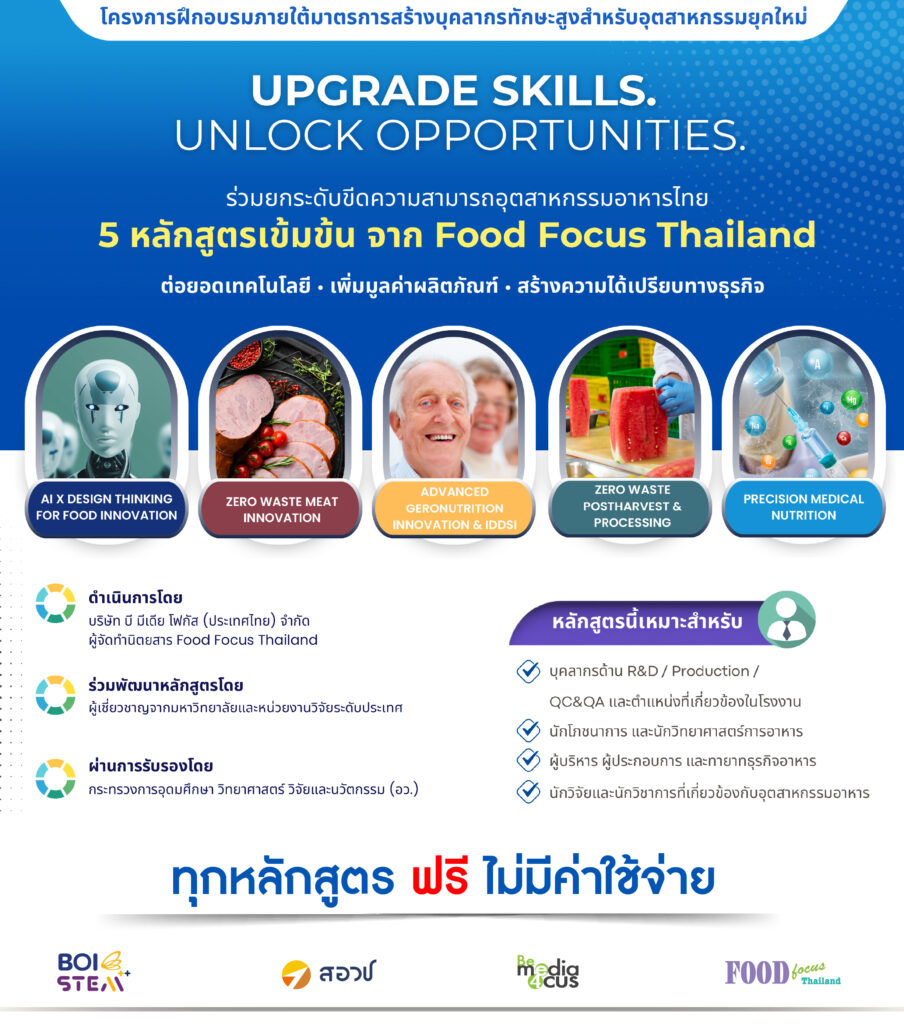
Food Focus Thailand x BOI STEM++ เปิด 5 หลักสูตรอบรมฟรี ยกระดับทักษะการแปรรูปอาหารมูลค่าสูง สู่ความพร้อมของอุตสาหกรรมยุคใหม่

“เพราะทักษะที่ใช่ คือกุญแจสู่โอกาสใหม่”

            ร่วมยกระดับศักยภาพอุตสาหกรรมอาหารไทยไปกับ Food Focus Thailand ผ่าน 5 หลักสูตรอบรมเข้มข้น ที่ออกแบบมาเพื่อพัฒนาทักษะด้านการแปรรูปอาหารที่มีมูลค่าสูง สำหรับบุคลากร ผู้ประกอบการ และนักวิชาการในอุตสาหกรรมอาหาร ที่ต้องการต่อยอดเทคโนโลยี เพิ่มมูลค่าผลิตภัณฑ์ และสร้างความได้เปรียบทางธุรกิจอย่างเป็นรูปธรรม

            หลักสูตรทั้งหมดจัดการอบรมในรูปแบบ Onsite โดยมุ่งเน้นผลลัพธ์การเรียนรู้ที่สามารถนำไปประยุกต์ใช้ได้จริง ผู้ที่ลงทะเบียนแสดงความสนใจมีโอกาสเข้าร่วมอบรม โดยไม่มีค่าใช้จ่าย


            พบกับ 5 หลักสูตรไฮไลต์จาก Food Focus Thailand ที่ออกแบบมาเพื่อยกระดับศักยภาพอุตสาหกรรมอาหารยุคใหม่ ครอบคลุมเทคโนโลยี นวัตกรรม และโภชนาการ พร้อมต่อยอดสู่การใช้งานจริงในเชิงพาณิชย์ — ลงทะเบียนได้แล้ววันนี้


Continue reading “Food Focus Thailand x BOI STEM++ เปิด 5 หลักสูตรอบรมฟรี ยกระดับทักษะการแปรรูปอาหารมูลค่าสูง สู่ความพร้อมของอุตสาหกรรมยุคใหม่”